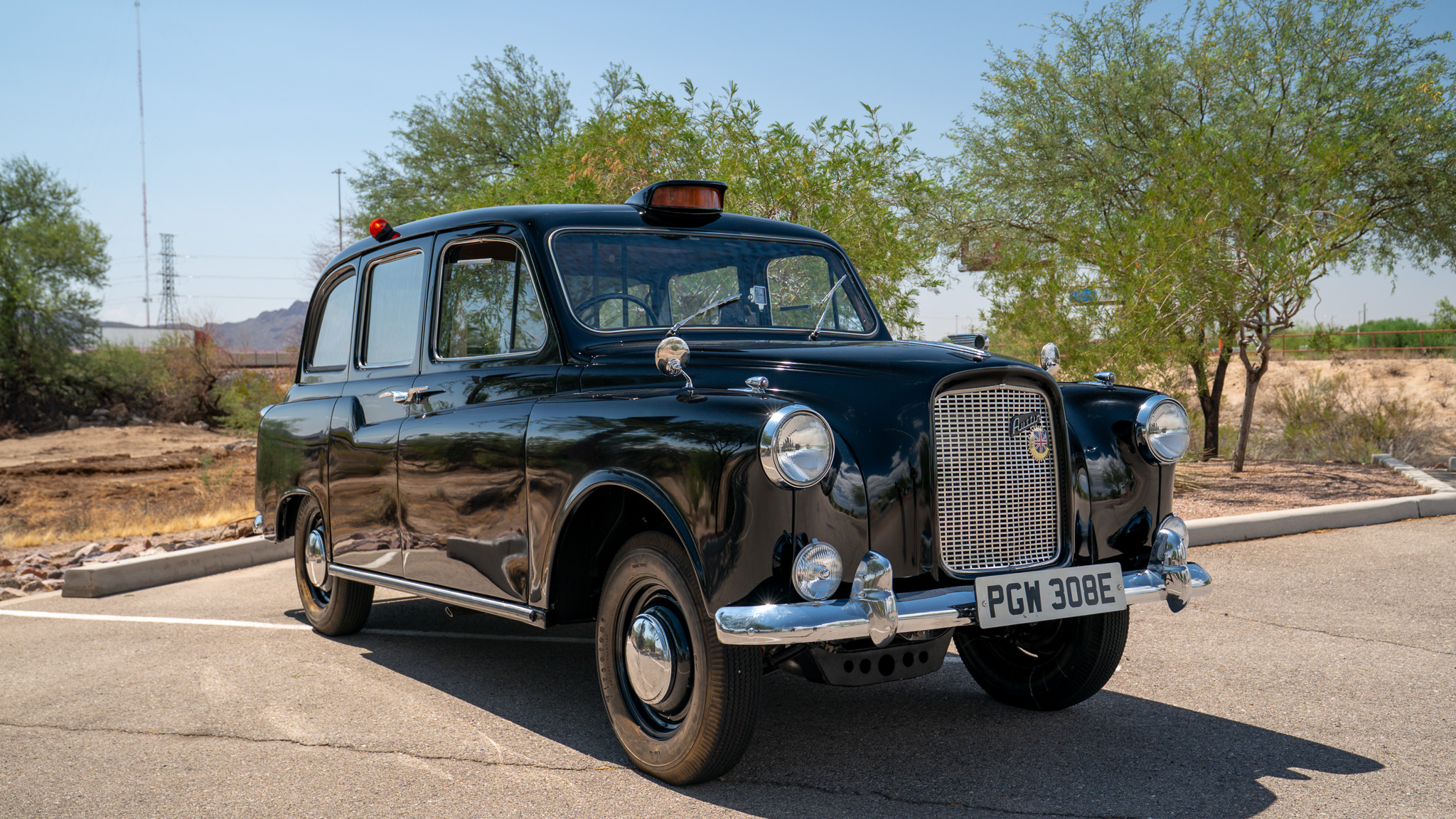
We’ve got a London taxi in the shop right now, and it’s surprisingly hard to walk past it without wanting to put your hand up.
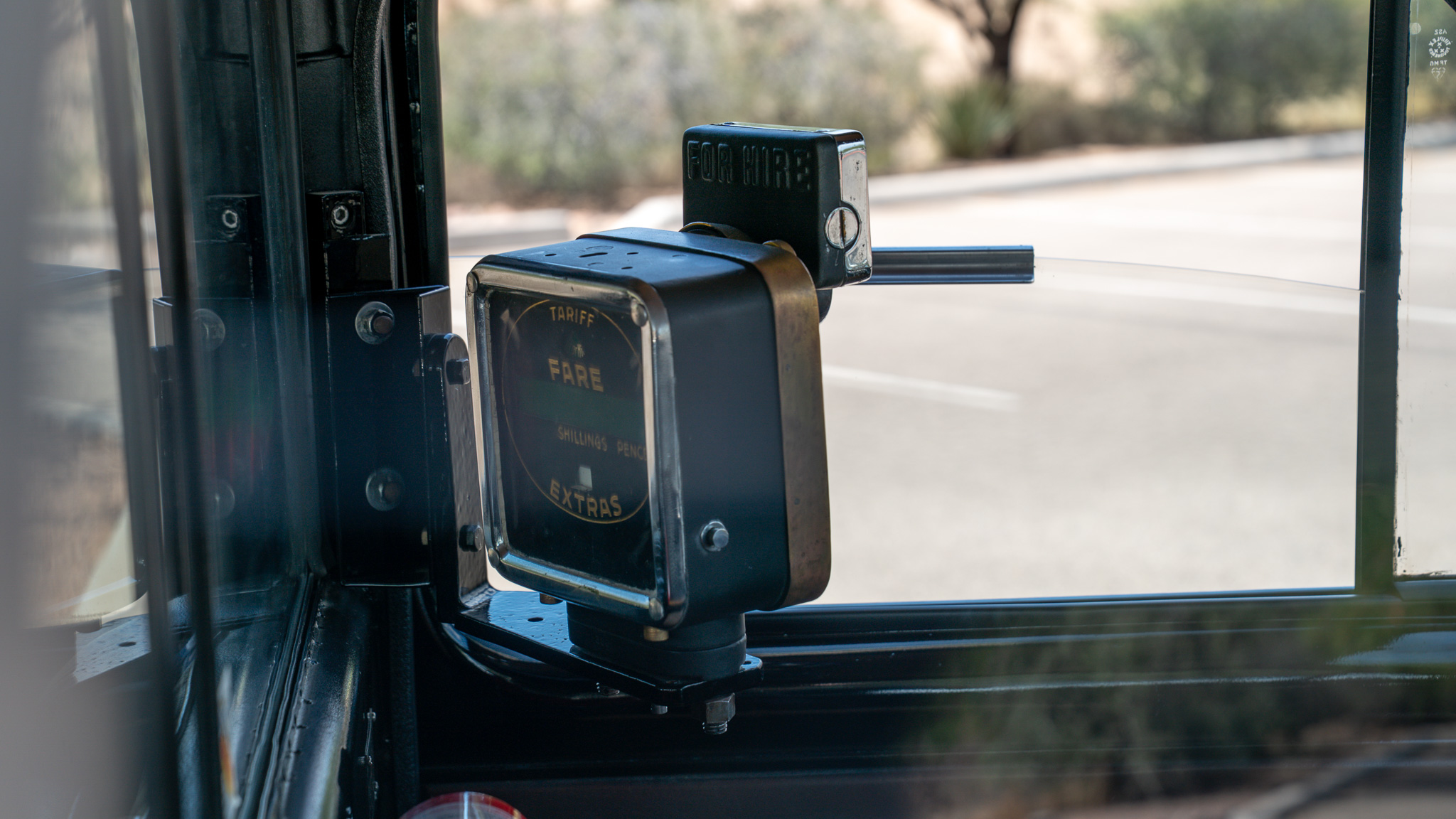
It’s a 1967 Austin FX4, a genuine one, right-hand drive, black, with the roof lamp, the fare meter and a FOR HIRE sign in the window. Austin and its successors built the FX4 in one form or another from 1958 to 1997, so a car like this spent a good part of the twentieth century taking Londoners home. This one’s in Tucson now, and it’s getting a Ford EcoBoost.
What the owners asked for
The brief from the owners was short, which I always appreciate. They wanted it to stay a real London cab, and they wanted to be able to drive it.
The second part was the hard one. From the factory, the FX4 had an Austin 2.2 liter four-cylinder making 68 horsepower. That’s plenty for central London traffic and not a lot for anywhere else. The four-speed gearbox has no synchromesh on first, which makes pulling away from a light more of a skill than it ought to be, and parts for the old engine have been hard to find in this country for decades.
Plenty of people love their old cars and would still like them to start in the morning. We spend a lot of our time on exactly that.
Why an EcoBoost
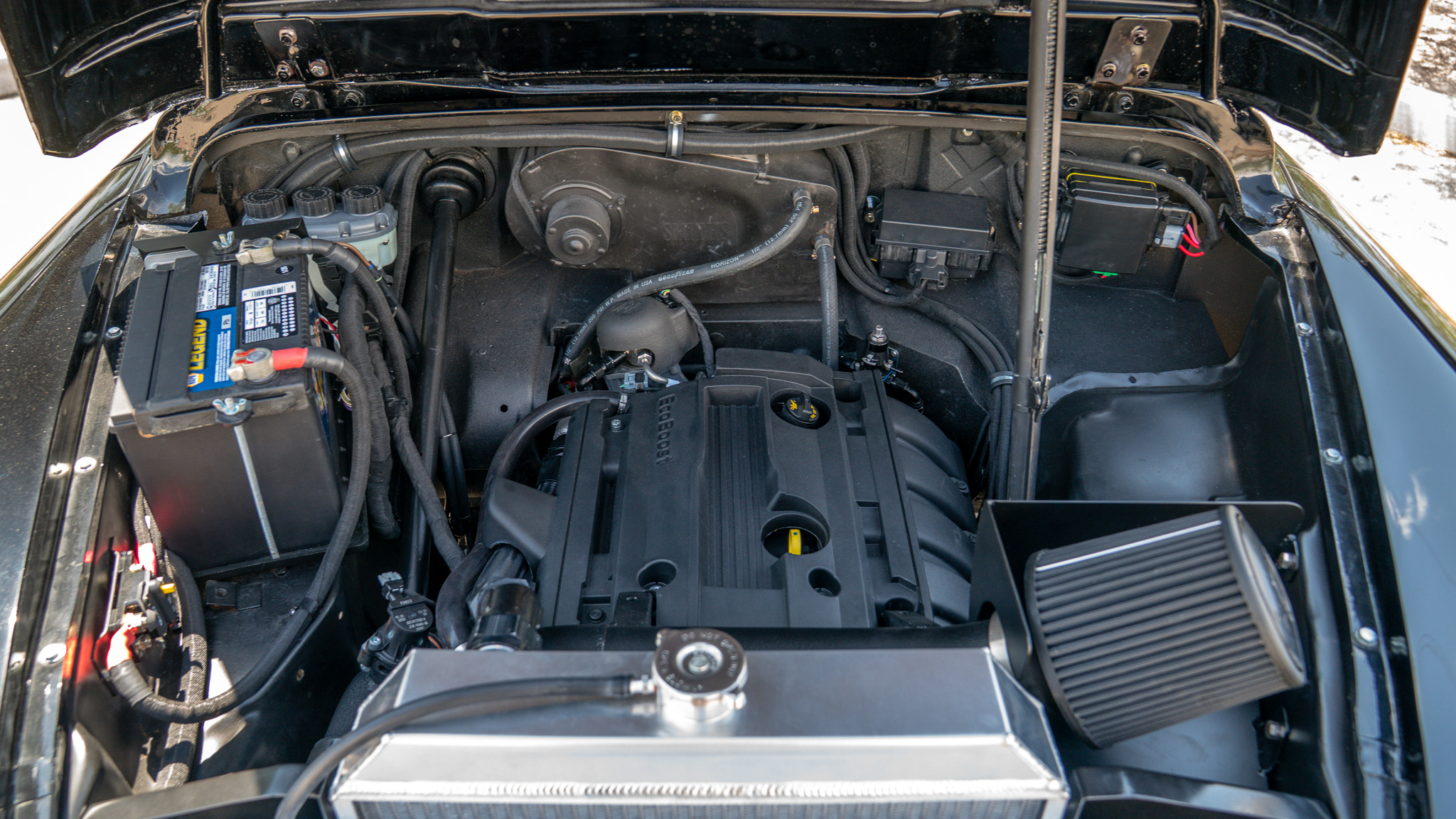
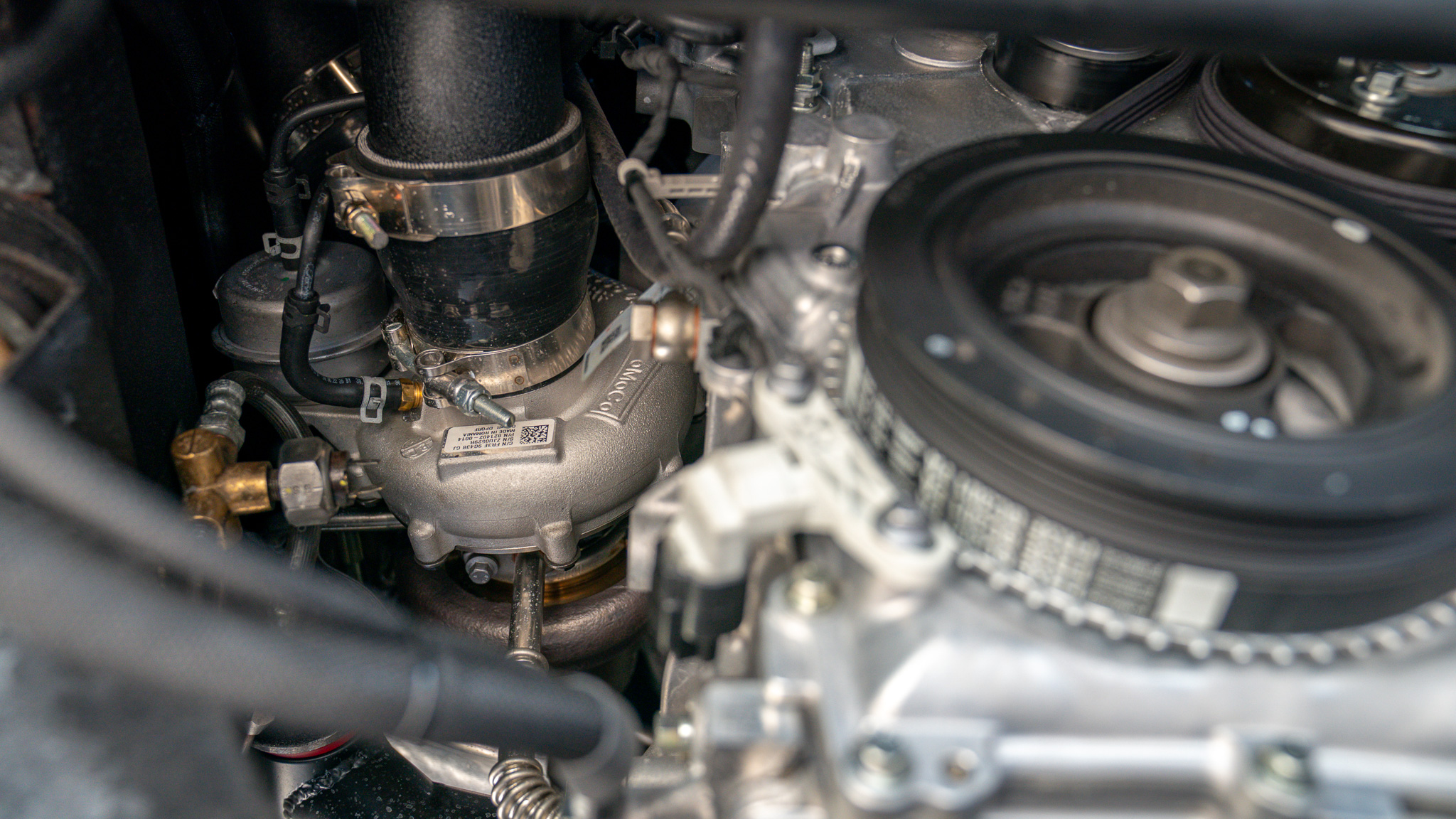
The replacement is a Ford 2.3 liter EcoBoost. It has far more power than the Austin ever did, but that wasn’t really why we chose it. What mattered was that it’s close to the old engine in size and weight, so it fits in the FX4’s engine bay without major surgery to the car around it.
With most engine swaps, bolting the engine in turns out to be the quick bit. The time goes into everything connected to it. On the cab that meant fabricating engine mounts for the original chassis, building a driveshaft to the right length, making a new transmission tunnel and shifter, fitting an EFI-compatible fuel pump and lines, and adding an aluminum radiator with electric fans. The chassis wiring harness was rebuilt from the original layout, so the modern engine management and the cab’s 1967 switchgear can run side by side.
So yes, there’s a turbocharger on a London taxi.
What we left alone
My favorite part of this job was the list of things we weren’t supposed to touch.
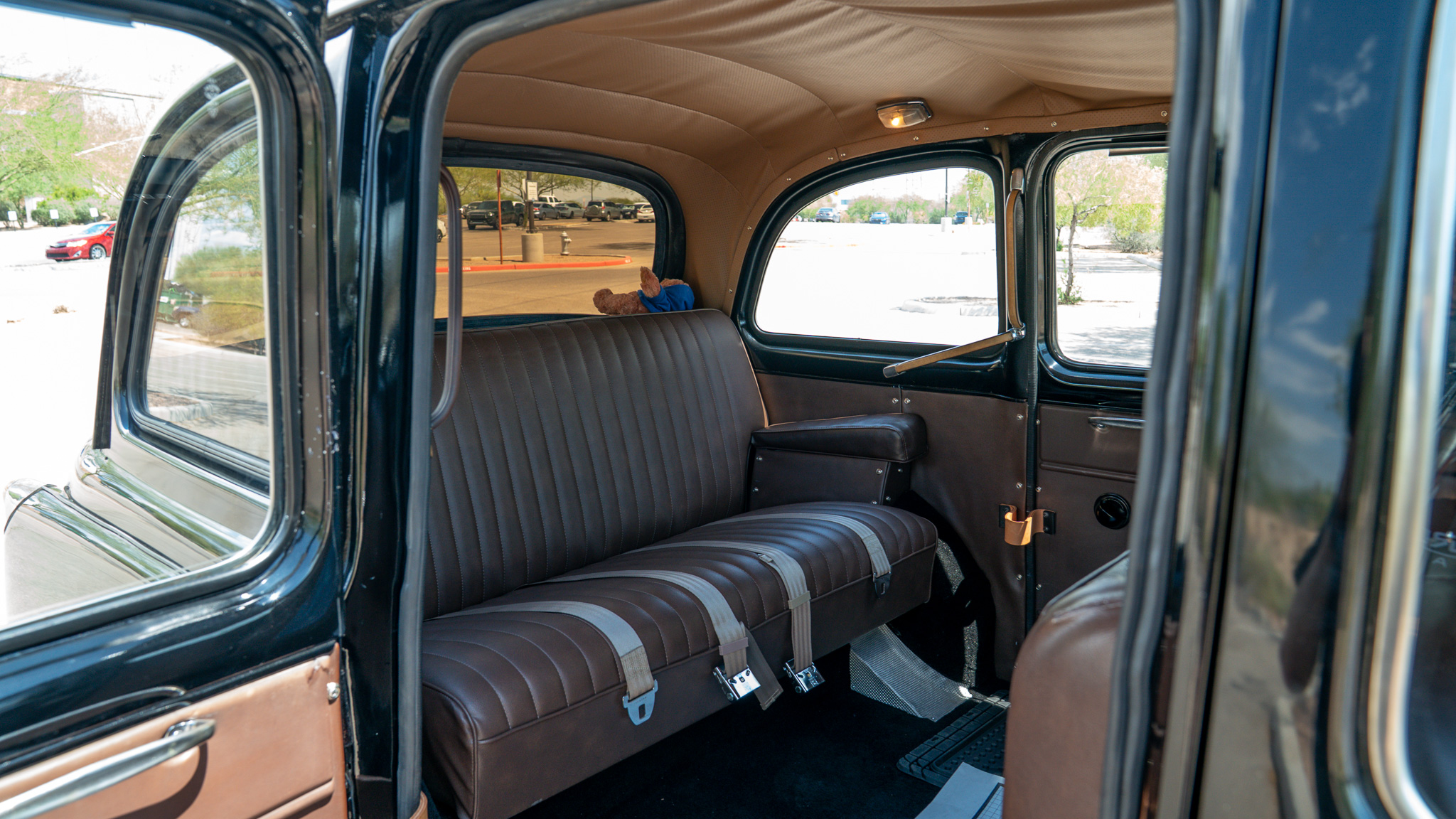
The steering stays as it was built, with no power assist. The drum brakes stay on all four corners. There’s no air conditioning, no stereo, no leather and no LED lighting going in, and the body isn’t changing at all. Everything we did was there to support the new engine, and the owners were clear about where it stopped.
I like that a lot. Restorations can drift toward turning an old car into a slightly worse version of a new one, and this one’s heading the other way. When it’s finished it’ll still be a heavy, upright London taxi with unassisted steering, drum brakes, a huge back seat and a turning circle designed around the old 25-foot London rule. It’ll just start every time you turn the key.
Hailing it
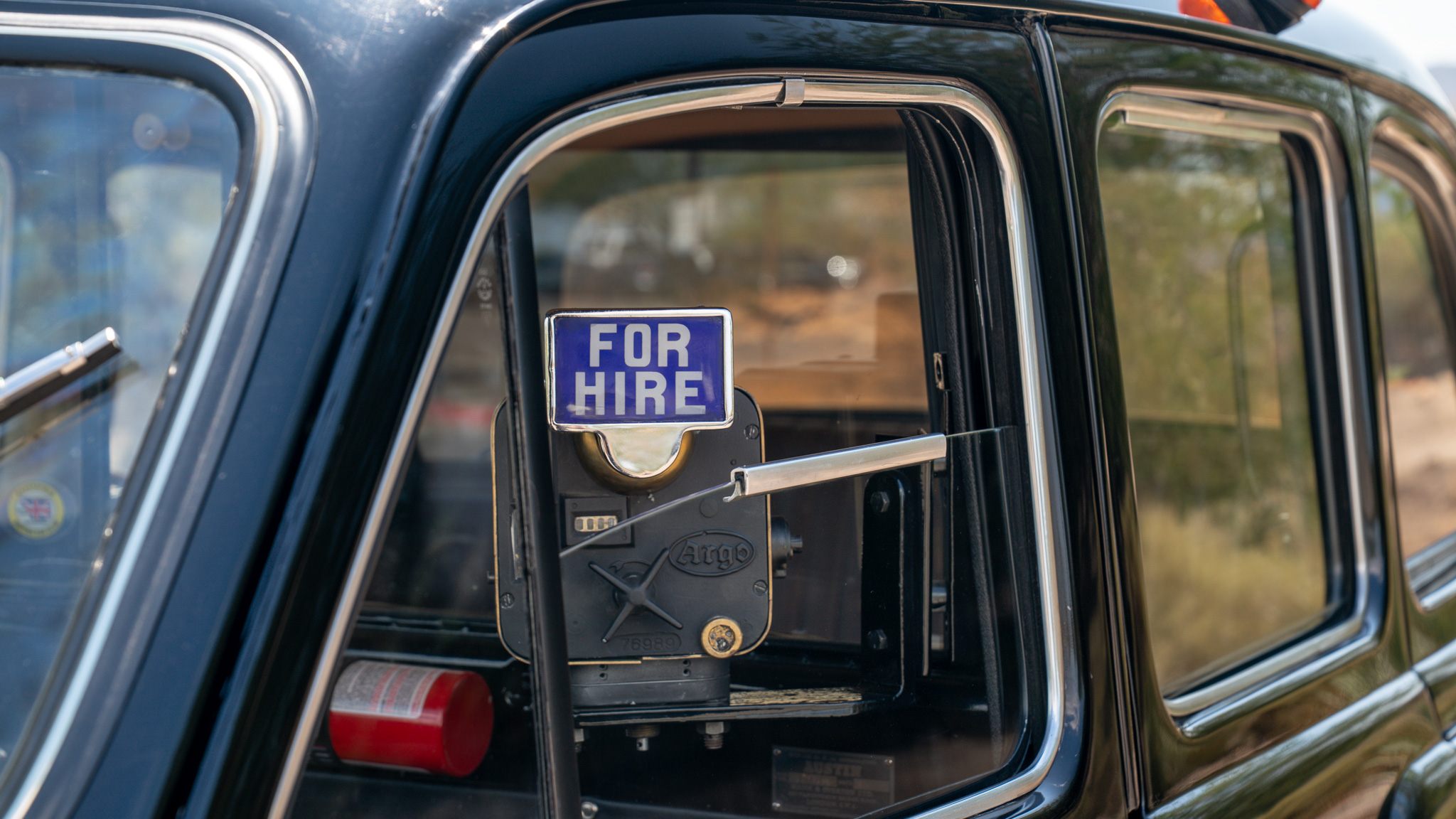
London cab drivers spend years learning The Knowledge, which means memorizing the streets of the city before they’re allowed to carry a fare. Nobody driving this one in Tucson will need it.
I’d guess it’s going to get flagged down at intersections fairly often, though, and the owners will have to decide each time whether to pull over. If it were mine I’d stop, switch the meter on and take them around the block. It seems right that at least one Ford-powered London cab should be out there giving free rides in the desert.