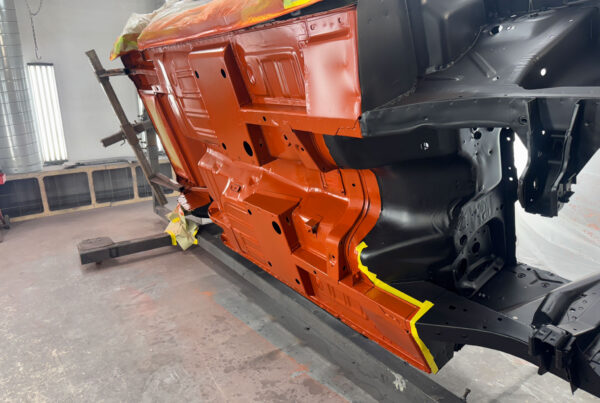
Starting a custom car build is exciting. You’ve got the car, a dream or a plan, and maybe some parts are starting to amass in your garage. But there are a few crucial things to consider before handing over the keys to get this thing across the finish line.
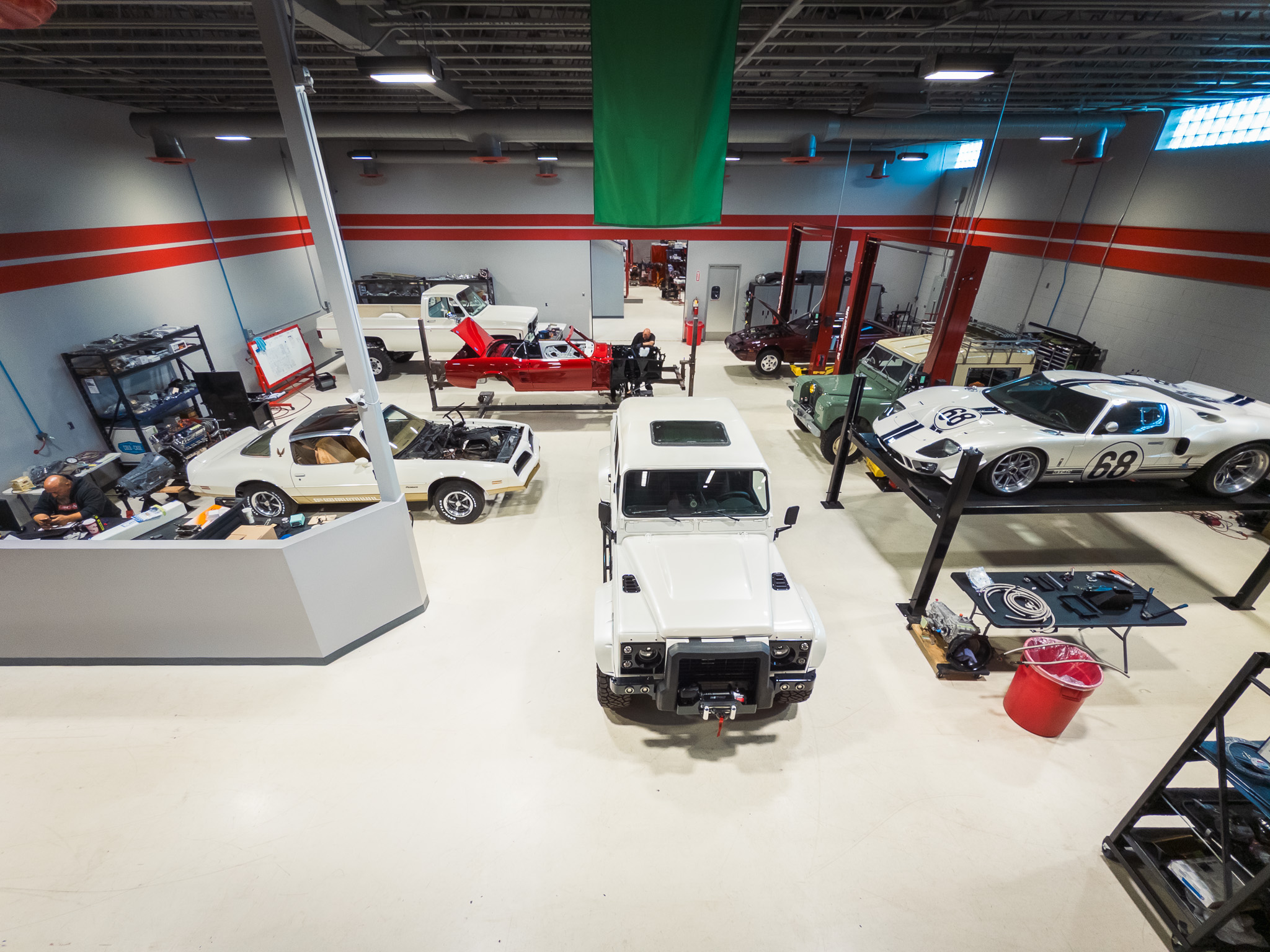
Next time you walk into a prospective custom auto shop, take a look around and ask yourself:
- How do you feel when you’re in the shop?
- Is the workspace organized?
- How are the parts and mid-assembly builds managed and stored?
- Is there a thick coat of dust on everything, or are the ongoing project parts properly covered and protected?
- What’s lying on the ground? Can you easily tell what goes to what car?
Take a hard look. Are you okay with all of this before you give this guy your car?
Your Dream Car is an Investment
These are just a few of the questions you should be asking yourself before committing to this journey. Whether it’s your dream car, a fun weekend project, a Sunday driver, a showstopper, or a family heirloom, you’re going to be spending some serious coin and investing a lot of trust.
It’s vital that you do a little research and invest the time in finding the right shop for your build. In this industry, attention to detail goes a long way.
Custom Automotive Work Isn’t One-Size-Fits-All
Are you building a full-on restomod, an all-OEM classic, a lifted 4×4, a rat rod, or a dedicated race car? No build is the same as the next, and the reality is that not all shops are the same either.
A shop that builds killer race cars might not take on a concours-level restoration. A 4×4 shop might not have the engineering capability to dial in a high-performance restomod. Before committing, ask yourself: Have they built a vehicle similar to mine, and can they show comparable work? Please excuse my family’s language but Grandad used to tell me, “If it’s got heels or wheels, it’s gonna give you problems.” Uncle Craig always says, “If it flies, floats, or flirts… rent it.” But seriously… building a car is tough enough without fighting the guys you hired to do it. Do they understand your end goal and your vision? Part of what separates great shops is their willingness to show their process and here is where their true craftsmanship lives. Experience and expertise matter, and they are the keys to your project’s success.
Engineering and Fabrication: Moving Beyond Off-the-Shelf Parts
Custom builds are complex. They involve heavy engineering, fabrication, system integration, and hundreds of tiny decisions that directly impact the final product. Every serious build reaches a point where off-the-shelf solutions simply won’t cut it.
When interviewing a shop, find out what they can actually handle:
- Can they design systems or parts that function reliably?
- Can they design and fabricate structural components or integrate modern systems into vintage platforms?
- Do they know how to correct suspension and steering geometry when upgrading the chassis?
- Can you see real-world examples of major fabrication, like complex engine swaps?
Of course, not all builds require heavy fab work. Maybe you just need paint and body because you’re going OEM classic and replacing everything with factory stock parts. But you need to know their limits before your car is on the lift.
The “Under One Roof” Advantage
One of the biggest advantages top-tier shops have is what they can do under one roof. Find out how much of your project is going to rely on a third party.
If you’re looking for a higher-tier experience, seek out shops that offer in-house specialties like:
- Paint and bodywork
- Custom fabrication
- Wiring and electrical integration
- Powder coating
- Interior Work
Also, verify that they have a reputable upholsterer on speed dial and ask how they manage major engine work or driveline repair. The more a shop handles in-house, the more control they have over problem-solving, timelines, and most importantly… quality. Most shops have a limit to the work they perform; you need to know exactly what might be outsourced and to whom.
The Nitty Gritty: Navigating Build Hurdles
Rarely is there a build without hurdles, but the right shop won’t let them become roadblocks. High-quality builds take time; there is no way around it. It goes without saying that hidden issues will be discovered along the way. This part doesn’t fit with that part, rust is hiding under the primer, or the design needs to evolve.
What matters is how your shop navigates these issues. The right team knows how to adapt, engineer solutions, and keep the project moving forward without cutting corners.
🚩 Red Flags to Watch Out For
Be cautious if you spot any of the following:
- Promises of lightning-fast turnarounds: Rushed work on large projects almost always leads to bad shortcuts.
- Poor communication: If they are vague now, they will be vague when they have your money.
- Closed doors: No access to see the shop space or currently ongoing work.
- Lack of engineering capability: Minimal fabrication skills for a custom build is a recipe for disaster.
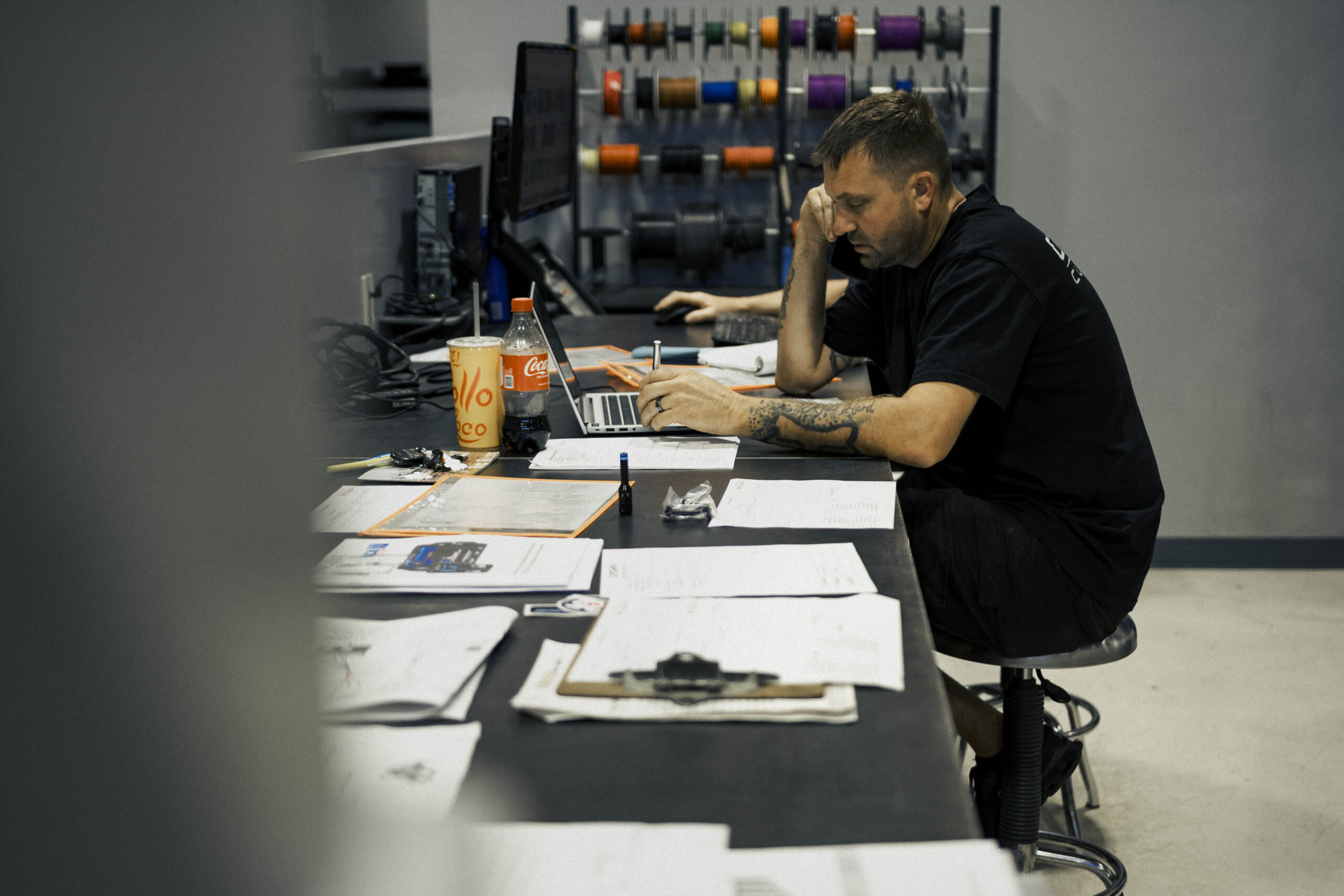
- Chaos: Shops with no clear organization where parts get lost or misused, ultimately costing you more money.
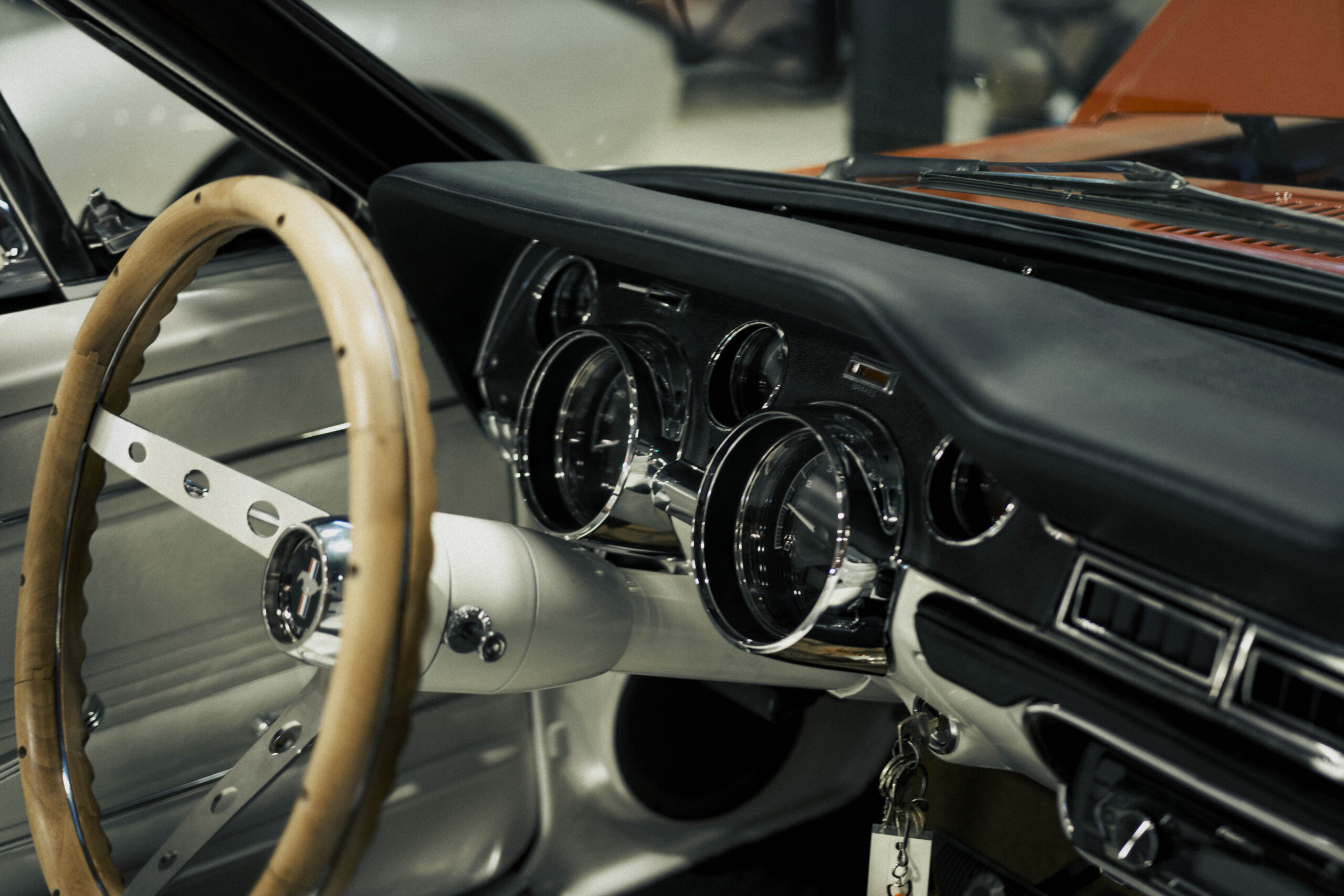
Bringing Your Vision to Life
A strong reputation isn’t built overnight. Look for a shop that has real skin in the game and has evolved with its purpose. Look for a team that respects every step of your build the way it deserves to be respected.
Great shops have repeat clients, deep industry relationships, and a long-term build or two sitting in the bay that you can look at to see their actual process and the final product they deliver.
At the end of the day, you’re choosing the team that will bring your vision to life. Take your time, ask the hard questions, and don’t be afraid to make an unannounced shop visit. The right shop will be experienced, capable, transparent, and fully invested in bringing your project to fruition the right way.