There is a number that gets thrown around in every build conversation, every forum thread, and every shop parking lot discussion. It sits on the dyno sheet, gets screenshot and posted, and becomes the shorthand for whether a build is serious or not. Horsepower. Peak horsepower. The number at the top of the curve.
It is also one of the least useful things you can optimize for.
And before anyone gets defensive about it, this is not an argument against making power. Nobody here is telling you to build something slow. But if you walk into a shop and the first thing out of your mouth is a horsepower target, you are already thinking about this wrong. You are optimizing for a number instead of a car, and those are two very different projects.
Peak Horsepower Is a Snapshot
Here is what peak horsepower actually is. It is one data point. It is what the engine makes at one specific RPM, under controlled conditions, on a dyno that is not going anywhere. That number does not account for how the engine gets to that RPM, what it feels like trying to keep it there, or what happens when you are not in that exact window.
The road does not care about your peak. The track especially does not care. What they care about is what the engine is doing at every other point in the rev range, which is where you actually spend your time driving the car.
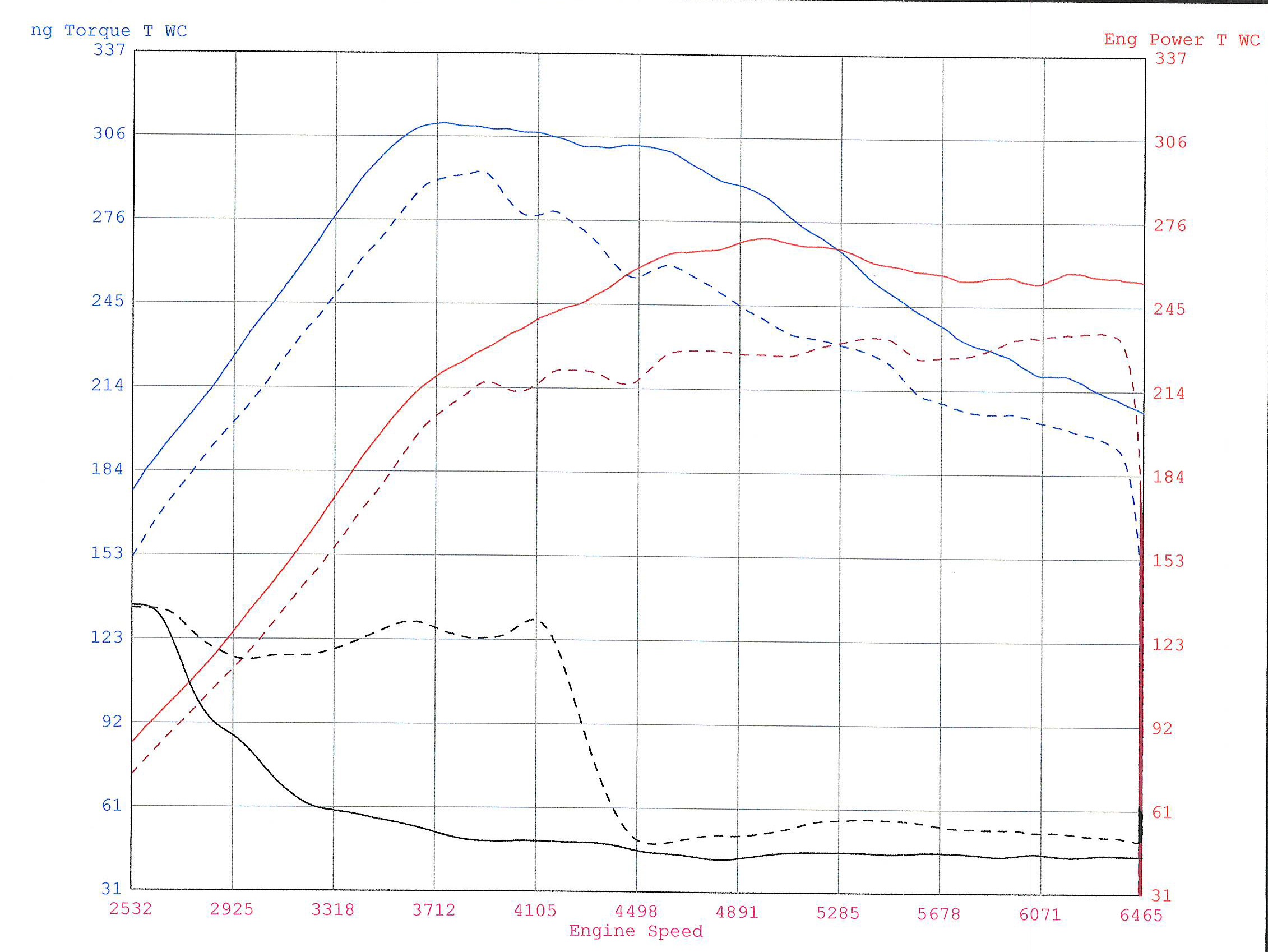
A flat torque curve from 2,800 RPM that holds through 6,000 is a completely different experience than a peaky motor that wakes up at 5,500 and signs off at 7,000. Both can make the same horsepower number. One of them is going to be fast and fun and usable in the real world. The other one is going to require you to work constantly just to stay in the power band, and most of the time you are going to miss it anyway.
The dyno sheet does not tell you which one is which if you are only looking at the peak.
The Curve Is the Car
When somebody brings a build in and asks about a swap, the first conversation is never about the number at the top. It is about the torque curve and what the car needs to feel right.
How early does it come in? How wide is the band? Is there a soft spot in the midrange where the car feels lazy before it wakes up? Does it pull like a freight train from 2,500 RPM or does it need to be wrung out before it gets interesting?
Those questions matter a lot more than where the peak sits because that is what determines how the car drives. Not how fast it can go in a straight line under perfect conditions with a professional behind the wheel, but how it feels on a back road when you get on it coming out of a corner. How it responds when you need it to respond. Whether the driver is working with the car or fighting it.
A 430 horsepower engine with a broad, honest torque curve will beat a 500 horsepower motor with a narrow band in almost every real-world situation. Not because it has more power. Because the power is usable
Displacement Is Honest
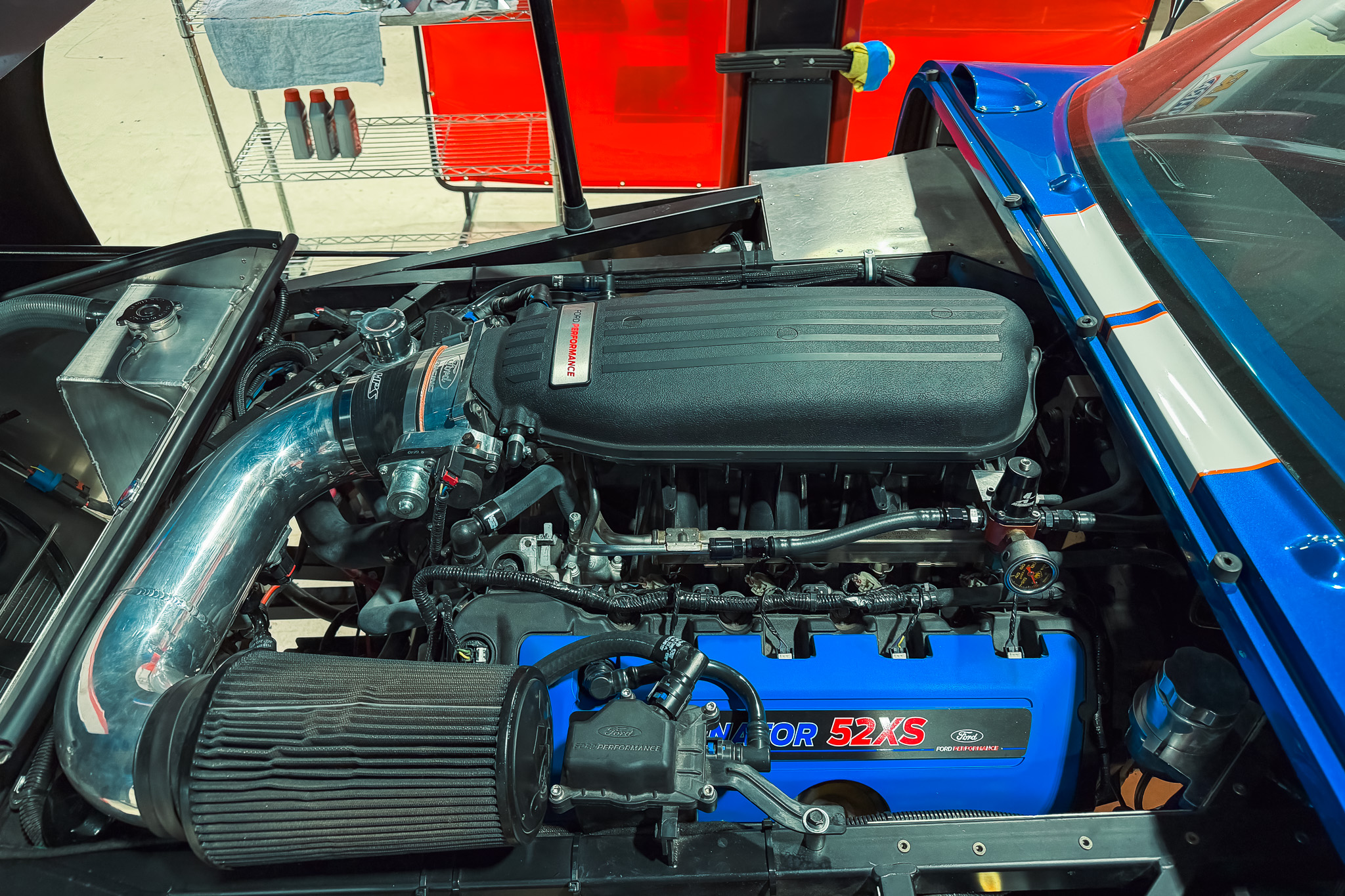
There is a reason old heads keep coming back to displacement. Cubic inches do not lie. They are not a function of boost pressure or tune or ambient temperature on the day of the dyno pull. They are the mechanical foundation of what the engine can do, and they represent something that cannot be faked: cylinder fill, thermal capacity, and the kind of low-end authority that you feel through the seat of your pants before you even look at the tachometer.
A big naturally aspirated engine pulling from idle has a character that forced induction cannot replicate. It is not about being old fashioned. It is about what the driving experience actually feels like. There is a reason people who have driven both will tell you the same thing. Torque that is just there, without any turbo to spool or boost threshold to wait for, changes how a car behaves in a fundamental way.
That does not mean forced induction is wrong. Plenty of great builds run boost and run it well. But when someone reaches for a smaller engine and a big turbocharger to hit a horsepower target, they are adding complexity that a displacement-first decision avoids. Boost threshold. Heat cycles. Intercooler sizing. Charge temps. Lag. All of it is manageable, but all of it requires management. And on a car that is going to get driven hard on weekends and taken to track days and put through its paces, that management adds up over time.
A stroked small block with good heads, a decent cam, and a proper exhaust does not ask much of you. It just pulls. Every time. In any weather. At any throttle input. That simplicity is worth something and it is worth more than most people price it at when they are spec-ing out a build on paper.
The Power You Use Is the Power That Matters
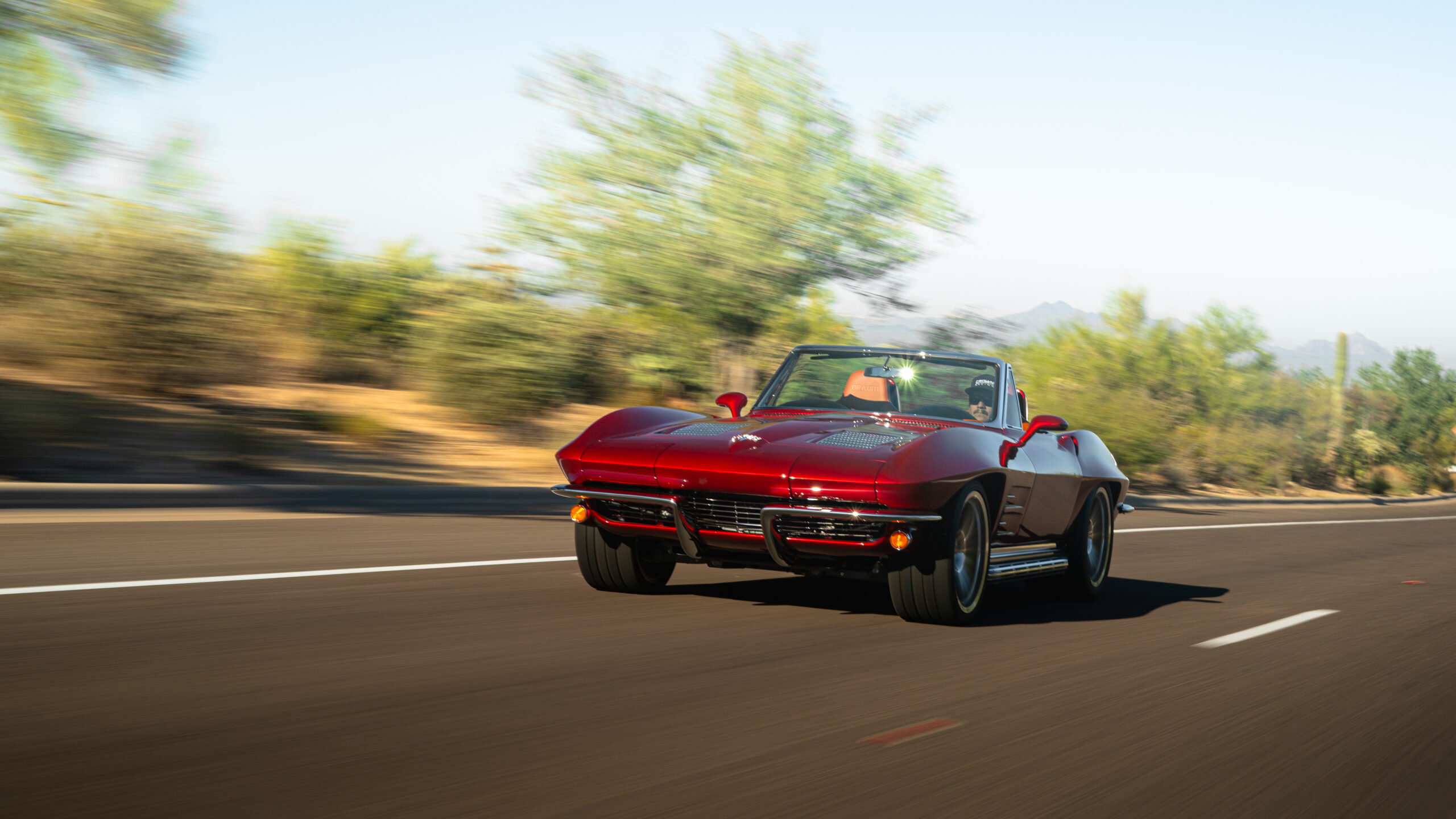
Think about how the car is actually going to get driven. Not the fantasy version where you are late braking into turn one at Road Atlanta on cold slicks. The real version. Weekend drives. An occasional track day. A show on Saturday morning. The kind of driving that made you want to build the car in the first place.
That driving rewards an engine that is friendly. One that does not need fifteen minutes to warm up before you can use it. One that does not run hot sitting in traffic after the show. One that idles clean and pulls clean and does not have a list of conditions that need to be met before it behaves itself.
A peaky motor that needs to be kept in a narrow RPM window to make its power is exhausting to drive at anything below ten-tenths. Most people drive at six or seven tenths most of the time, which means they are spending most of their time below the engine’s useful range. That is a bad trade. You built the car to enjoy it, not to manage it.
Driveability is engineering. The best builds are not the ones that make the most power. They are the ones where the power delivery matches the car, the driver, and the use case. Where you can get on the throttle anywhere in the rev range and the car responds predictably and confidently. Where the driver feels like they are in control of something they built, not trying to keep up with it.
What the Swap Decision Actually Looks Like
When a swap gets evaluated, the starting point is always the same. How is this car going to be used and who is going to be driving it? From there you work backward to what the engine needs to do, and then you figure out what actually fits that requirement.
Peak horsepower comes up in the conversation eventually, but it is not the lead. Torque curve matters more. Idle character matters. Heat management matters. How the engine pairs with the transmission being used. Whether the cooling system can handle what is being asked of it. How the engine responds to the kind of driving that is actually going to happen, not the kind that sounds good when you are describing the build to someone at a car show.
The right swap is the one that makes the car more of what it should be. Not more impressive on paper. More right to drive. More suited to the roads and tracks it is actually going to see. More honest about what the build was supposed to accomplish in the first place.
A lot of builds get this backwards. The horsepower number gets decided first and everything else gets reverse engineered to support it. That approach produces cars that look great on a spec sheet and feel like work to drive. The cars that actually get used, actually get pushed, and actually get better over time are the ones where the power was matched to the purpose from the start.
Build for the car. Build for how you drive. Get the torque curve right and the power number will be fine. Get the power number right first and you might end up with a lot of impressive data and a car you do not really want to take out.