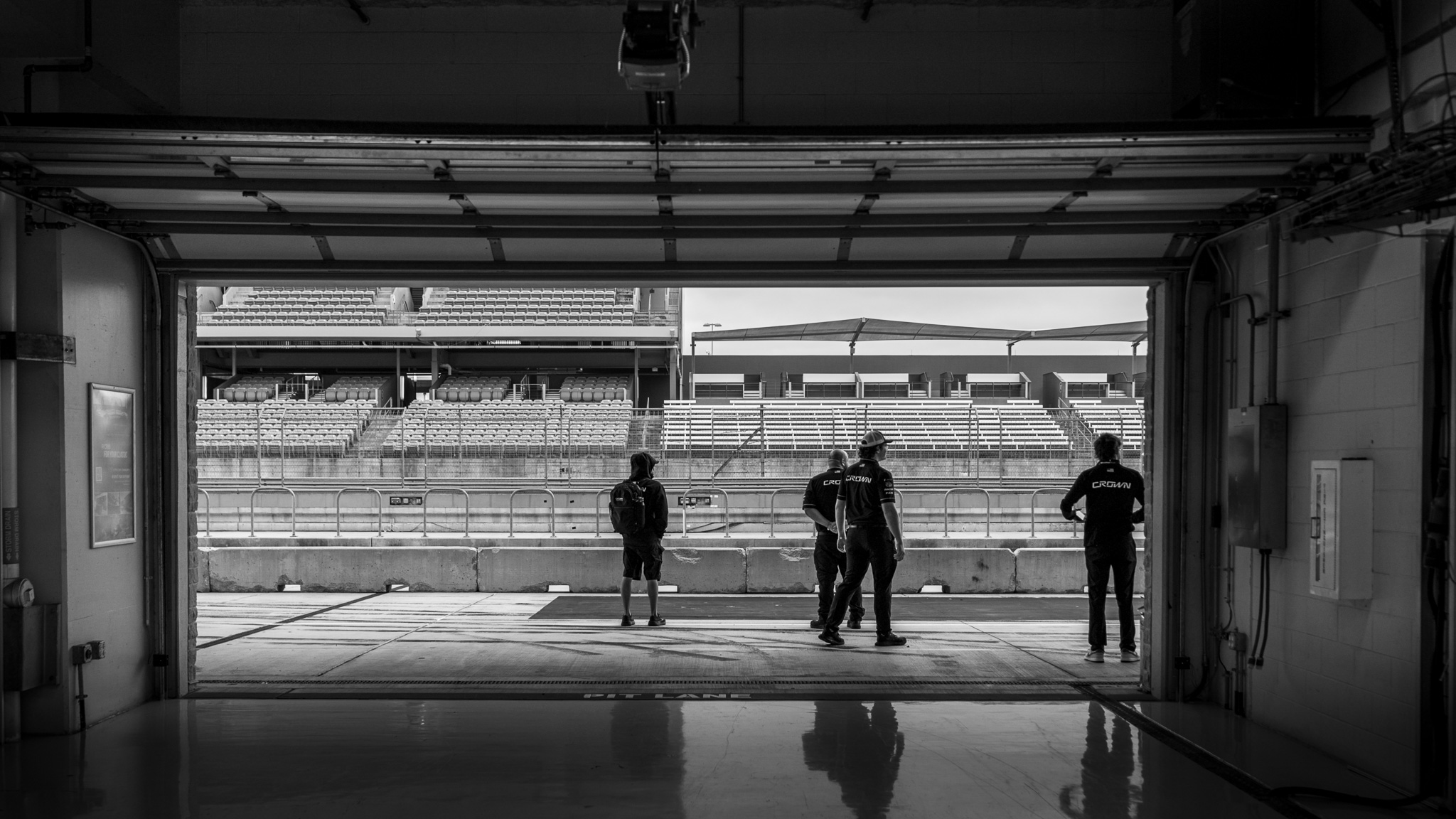
AUSTIN, Texas | Some race weekends are measured by trophies. Others are measured by what they reveal.
For Crown Racing, our first weekend in the IMSA Airbnb Endurance Challenge at Circuit of The Americas was the beginning of something much bigger than a finishing position.
COTA marked our first step into IMSA endurance prototype competition as a team. New environment. New format. New level of competition. New demands. Over two hours on one of the most technically demanding circuits in North America, we learned quickly what separates strong teams from great ones.
And most importantly, we proved we belong.
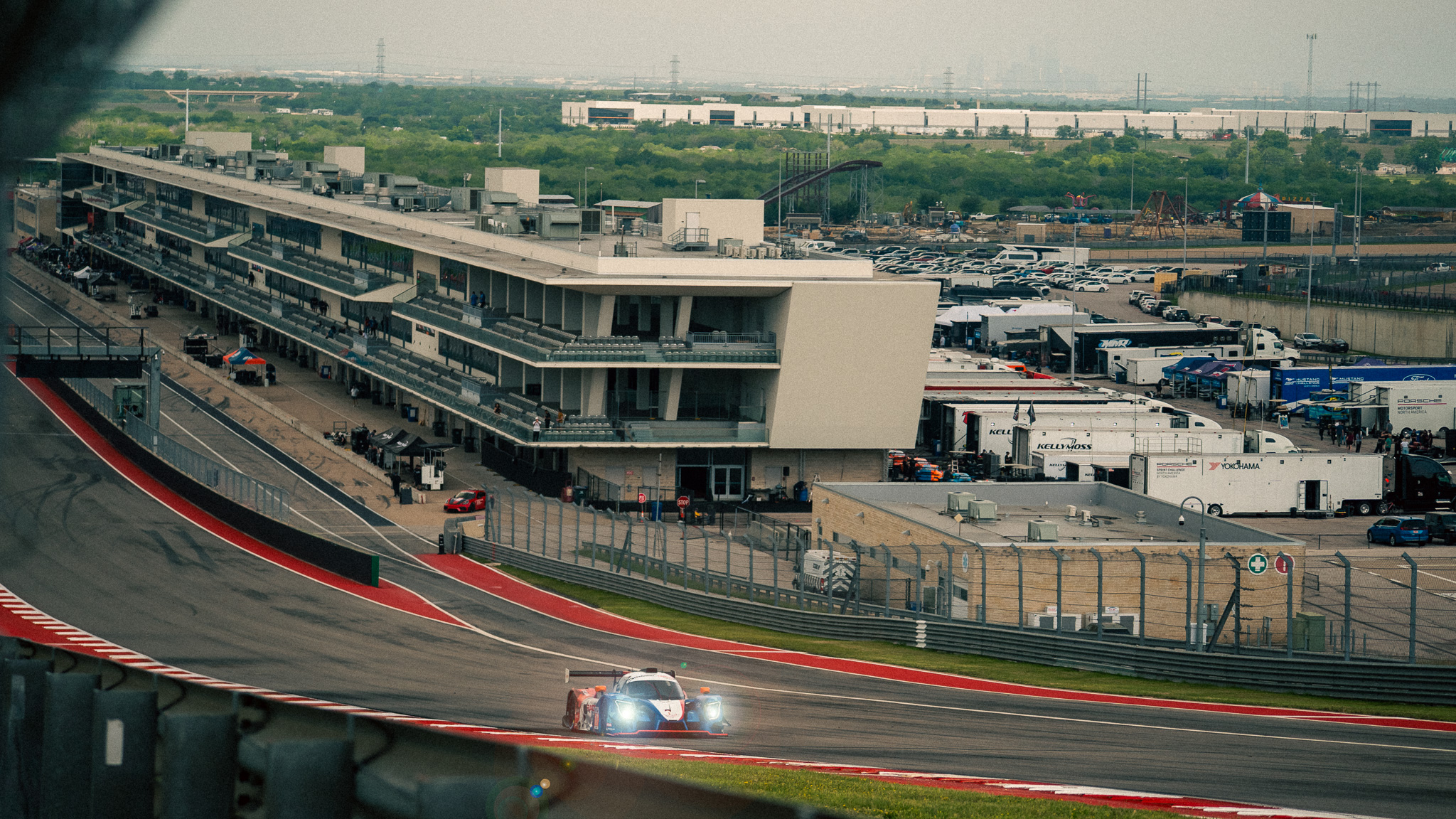
From the moment the No. 17 Crown Racing Ligier JS P320 rolled onto the full 3.426-mile Grand Prix circuit at COTA, there was a feeling inside the team that the pace was there. The challenge was simply unlocking it fast enough inside a compressed IMSA weekend against some of the strongest LMP3 programs in the country.
The Circuit of The Americas is unlike almost anything else in North American motorsport. Inspired by corners and sectors from Silverstone, Istanbul Park, Hockenheim, and other legendary circuits, COTA demands everything from a racecar and a driver. Massive elevation changes, long traction zones, high-speed directional changes, and brutal braking zones punish even the smallest imbalance in setup or execution.
And throughout the weekend, the conditions kept evolving.
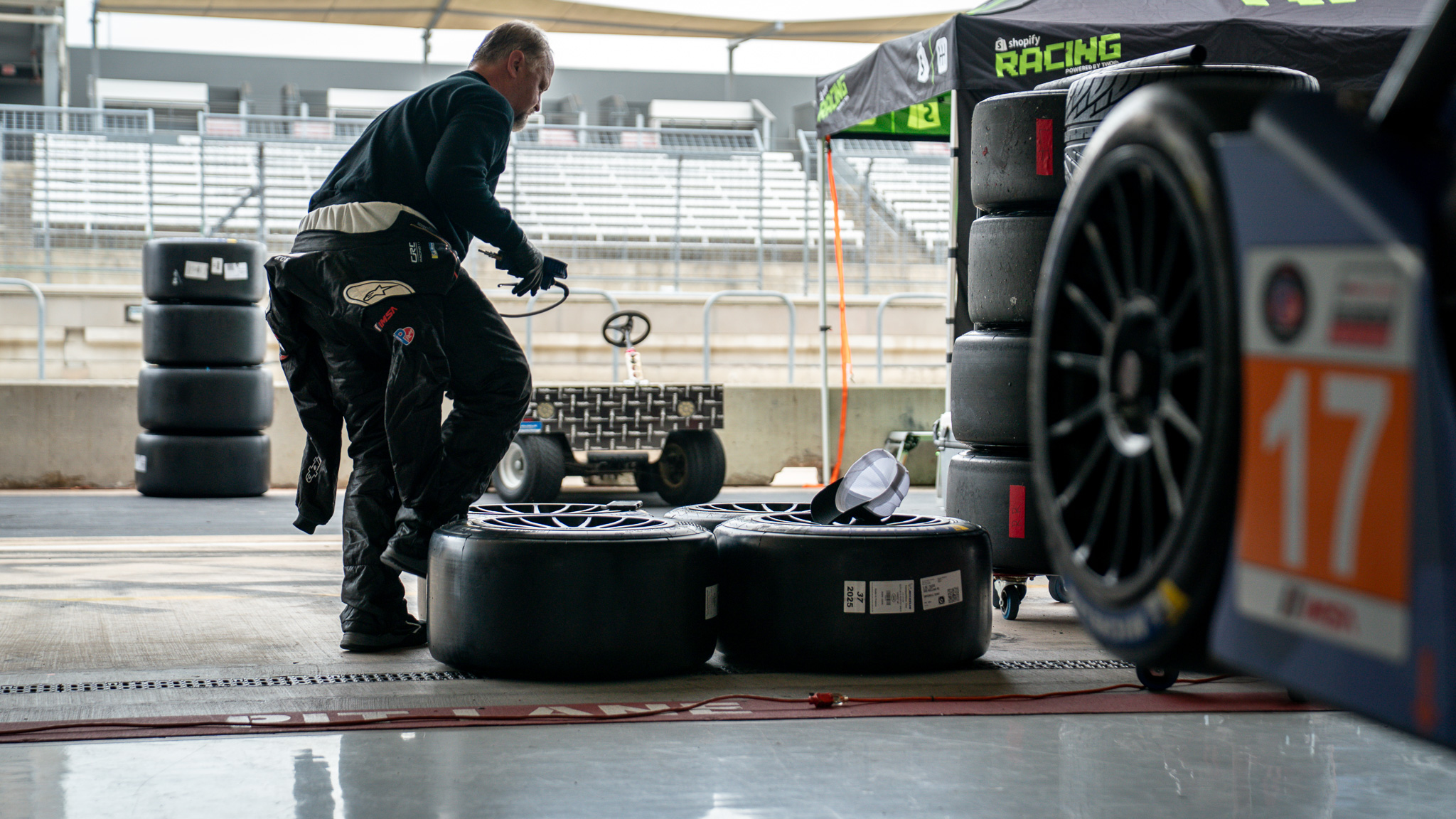
Saturday morning arrived under heavy fog and cool Texas air before the sun eventually broke through, rapidly changing track temperature and grip levels across the circuit. A car that feels planted early in the day can quickly become nervous as the surface gains heat and grip falls away. At this level of racing, a few tenths in balance can become multiple seconds over the course of a stint.
That became one of the defining lessons of the weekend.
After working through an early setback in the opening practice session, the team focused on maximizing every remaining lap available. Practice 2 became less about chasing headlines on the timing sheets and more about understanding the car, the track evolution, and how both Chris McMurry and Brady Clapham wanted the Ligier to behave over longer runs.
The pace started coming quickly.
After reviewing the data between sessions, the team elected to have Brady qualify the No. 17 entry. The result immediately validated the direction the team had worked toward throughout the weekend.
Clapham delivered a 2:03.549 lap to qualify the No. 17 Crown Racing Ligier fifth overall in the team’s first IMSA endurance qualifying session. The lap placed Crown less than half a second behind the next group of cars and firmly inside the fight against established programs running newer-generation machinery.
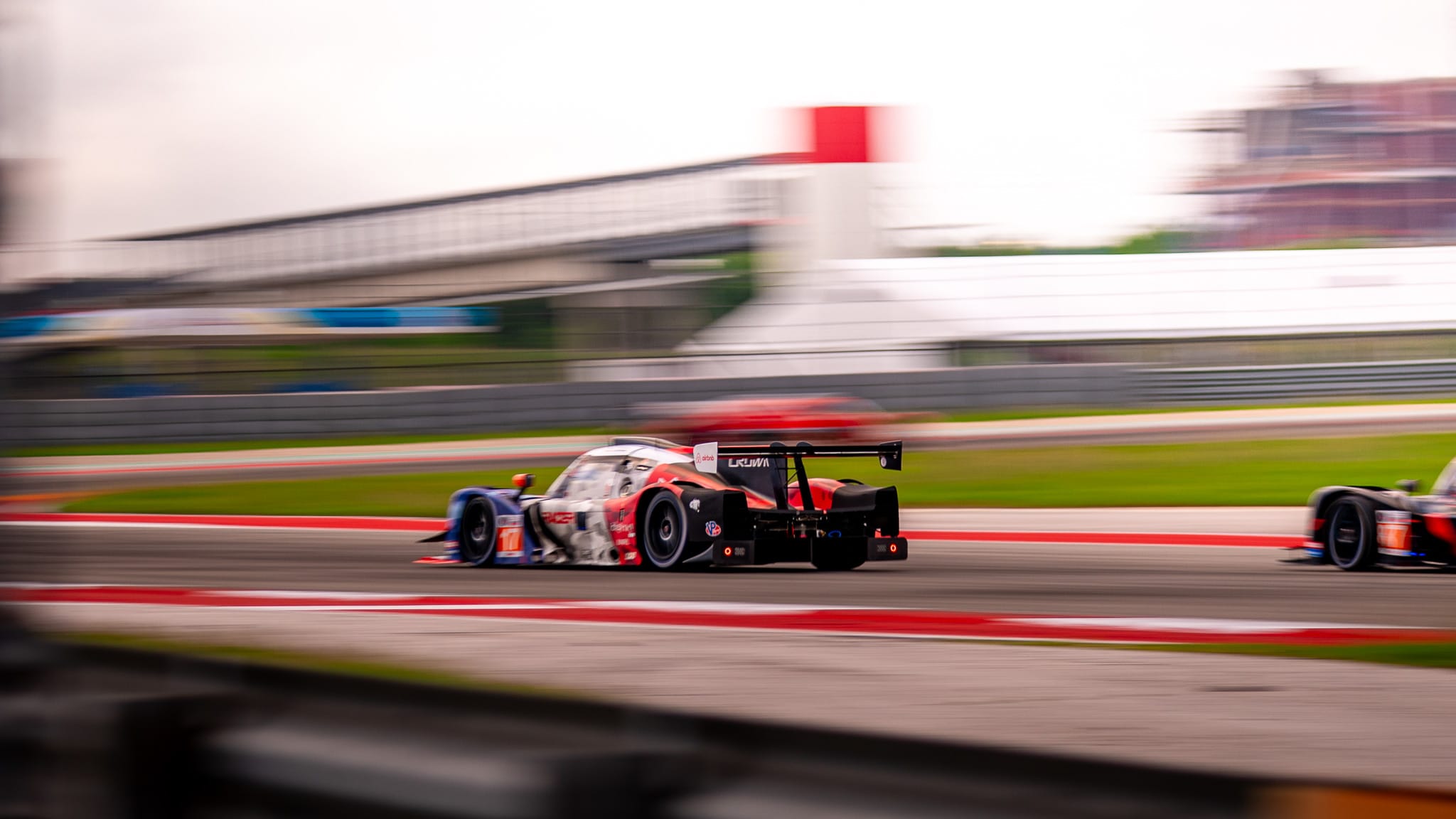
More importantly, we knew there was still more available.
The data showed opportunity left in the middle and final sectors of the lap, and internally, the confidence level inside the team continued to grow heading into Saturday afternoon.
“We felt like we had real pace all weekend,” said Brady Clapham. “Qualifying confirmed that. The car was coming to us more and more every session, and honestly, we still felt like there was more left in it. For a first IMSA endurance weekend together as a group, it was a really encouraging place to start.”
The race itself became a perfect introduction to modern endurance racing.
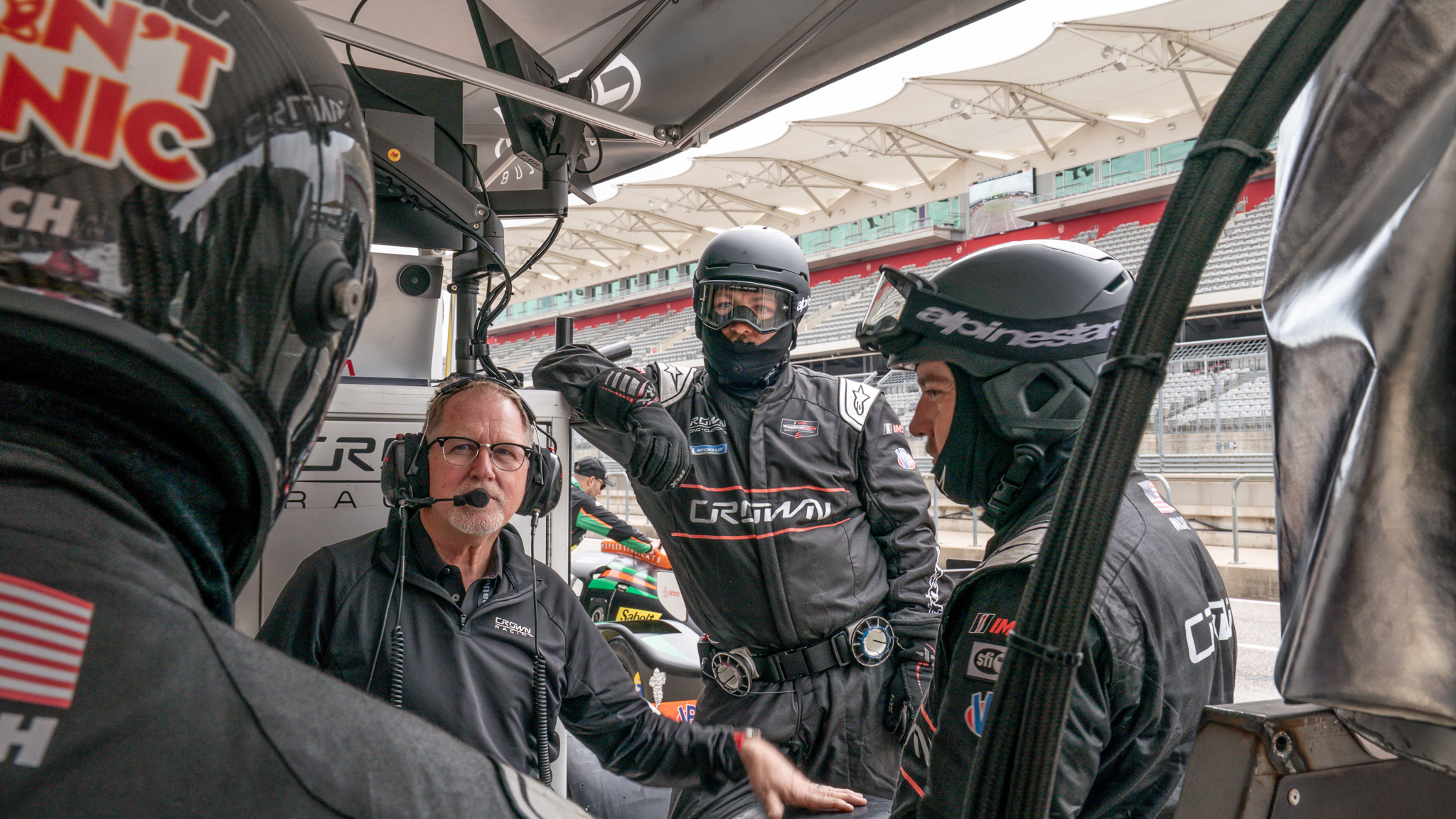
Changing conditions, evolving balance, traffic management, timed pit-stop regulations, tire behavior, strategy calls, and nonstop adaptation all became part of the challenge over two hours.
At the front of the field, benchmark programs like Toney Driver Development and Gebhardt Motorsport showed exactly why they are currently setting the standard in IMSA LMP3 competition. Pole-sitter Oscar Tunjo put the No. 1 Gebhardt Duqueine on pole at 2:00.060, while eventual winners Wyatt Brichacek and Titus Sherlock consistently delivered low 2:01 race pace throughout the event.
That level is incredibly high.
And for us, seeing it up close was valuable.
The No. 17 showed strong single-lap speed throughout the weekend, including a fastest race lap of 2:05.430, while continuing to improve session after session. Our pit execution remained extremely clean throughout the race, consistently landing directly inside IMSA’s mandatory timed stop windows, something the team took a great deal of pride in during a debut endurance effort.
Just as importantly, the No. 17 was the quickest Ligier JS P320 entry throughout the weekend, outperforming the other Gen 2 Ligier in qualifying pace, race pace, and overall consistency.
That matters.
Because while the finishing position does not tell the full story of the weekend, the underlying data absolutely does.
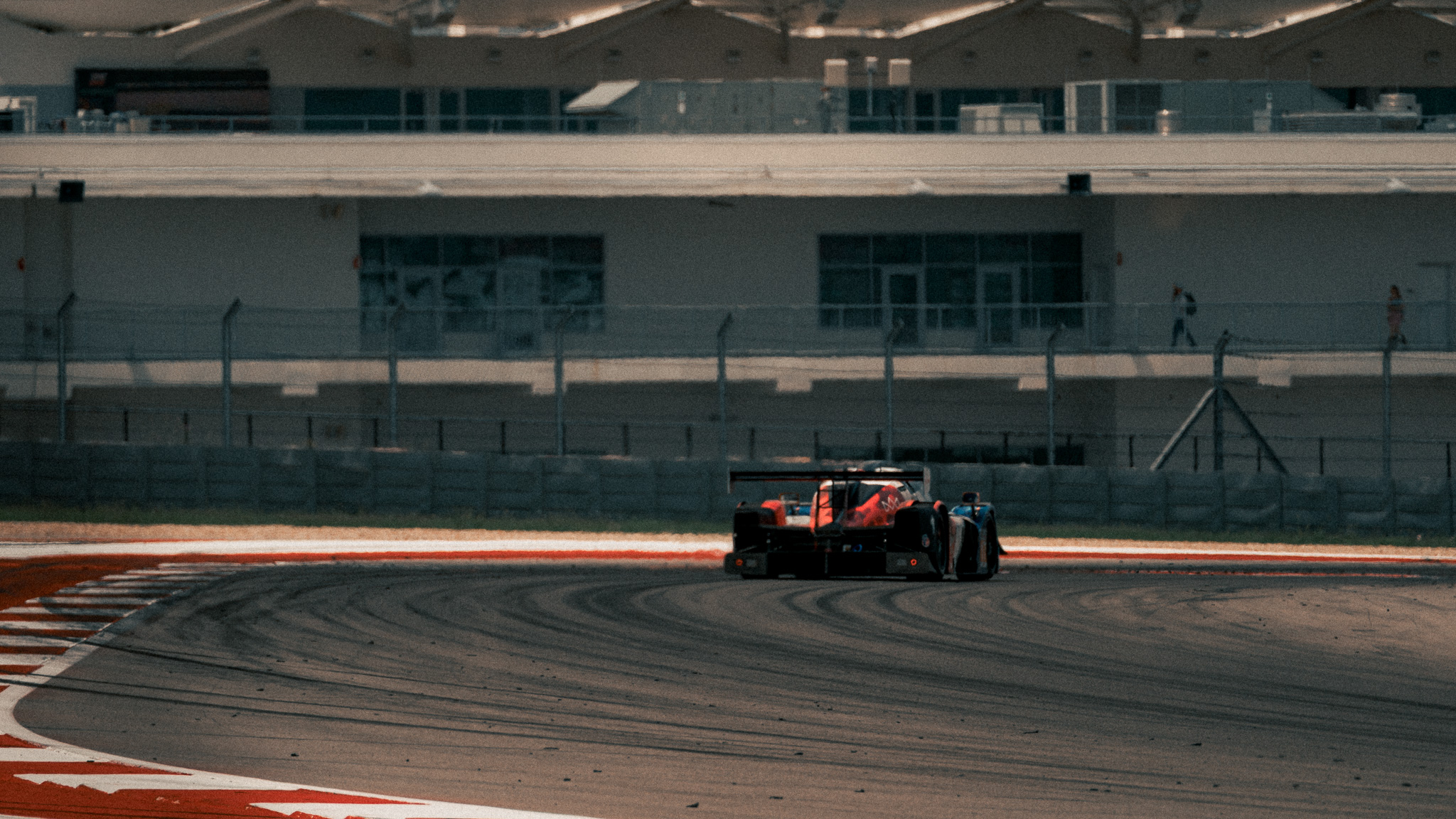
“The biggest thing we leave Texas with is confidence,” said Joey Martin, Team Manager and Co-Founder of Crown Racing. “You can teach experience. You can refine strategy. You can improve balance and execution. What you can’t fake is speed, professionalism, and the ability to compete in this environment. We showed all three this weekend.”
As the race progressed and temperatures continued to rise, the demands of the two-hour format became increasingly physical for both drivers and machinery. The team adjusted strategy throughout the race while continuing to gather valuable information on the car, the platform, and the endurance format itself.
For Crown Racing, the weekend became less about one result and more about building the foundation of something much larger.
“This weekend showed exactly where we’re headed,” said Chris McMurry. “There’s a huge amount of talent and capability inside this team. We learned a lot in a very short amount of time, and honestly, that’s exciting. We know what needs to improve, and we know how much potential this group has moving forward.”
That excitement is shared across the entire organization.
Internally, the pace shown throughout the weekend only reinforced what the team already believed entering IMSA competition: Crown Racing belongs at this level, and this is only the beginning of where the program can go.
“The result sheet won’t fully show what this weekend meant for our program,” said Ryan George, Co-Founder of Crown. “We showed up to one of the toughest circuits in North America, qualified inside the top five against elite teams, executed professionally, and proved we can compete in this environment. That’s an incredibly strong foundation to build from.”
What matters more is what cannot be taught: culture, professionalism, belief, adaptability, and speed.
This team has all of it.
COTA was not the end of a weekend. It was the beginning of a program.
And inside Crown Racing, there is enormous excitement about what comes next.
Because when this group puts all the pieces together, they are going to be dangerous.
Very dangerous.
The foundation is already there. The people are already here. The pace is already showing itself. What comes next is simply the continued evolution of a team that has never been afraid of building toward something bigger.
We are proud of what we accomplished at Circuit of The Americas.
We are even more excited about whats next.
And we are just getting started.