After deciding to pursue the Radical path outlined in the earlier article, Ladder to Le Mans: Why the “Smart Money” Path to Prototypes Is in a Radical, I ran directly into something many newcomers quietly struggle with: how to enter motorsport seriously without feeling like a poser.
Because once you decide to do this, the world of racing safety equipment opens up immediately.
Within an hour of researching helmets alone, I found myself comparing FIA certifications, carbon-shell weights, forced-air systems, hydration options, radio plug compatibility, visor tint configurations, and even aerodynamic differences between helmets designed for GT cars versus open-cockpit machinery.
My time is valuable and unlike many hobbies, buying the wrong equipment in racing is not merely inconvenient. It affects comfort, fatigue, communication, safety, and confidence.
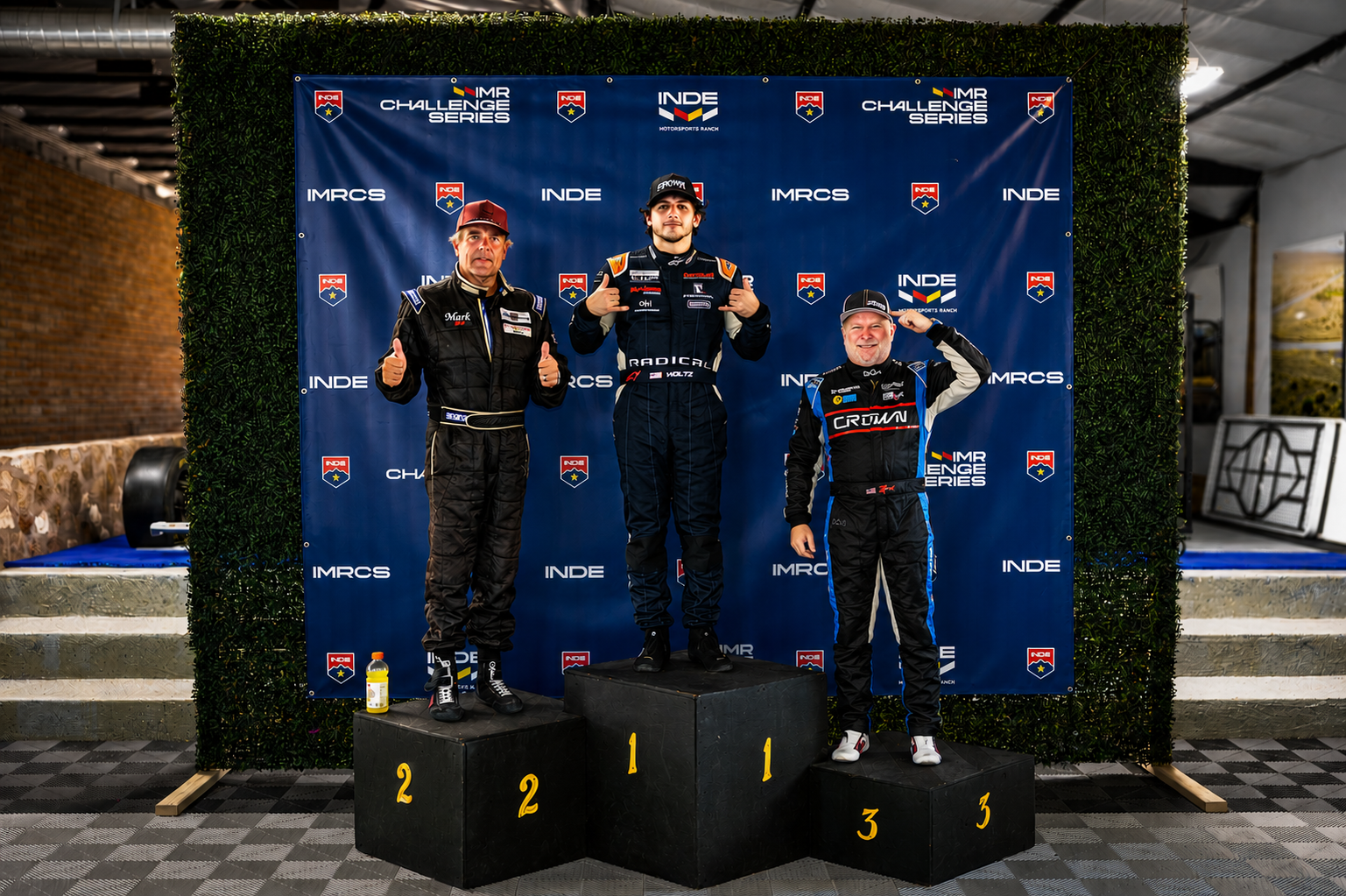
At the same time, racing gear is deeply personal. Helmet designs, suit colors, gloves, shoes, patches, and stitching all become part of your identity as a driver. That can be fun, but it can also feel intimidating when you are still trying to find your place within the sport.
Rather than randomly buying equipment online and hoping for the best, I worked with Crown Concepts by leveraging their Crown Safety Ecosystem and Driver Gear Management as a starting point and considering where I was actually starting on the ladder.
That distinction mattered. I did not need Formula One-level equipment for HPDE events and racing schools, but I also did not want to cut corners in ways that compromised safety, distracted from learning, or that I would need to upgrade immediately as I got more into racing. The goal was not to cosplay as a professional driver. The goal was to buy legitimate, properly certified equipment that fit correctly, worked reliably, and could evolve with me as my driving progressed.
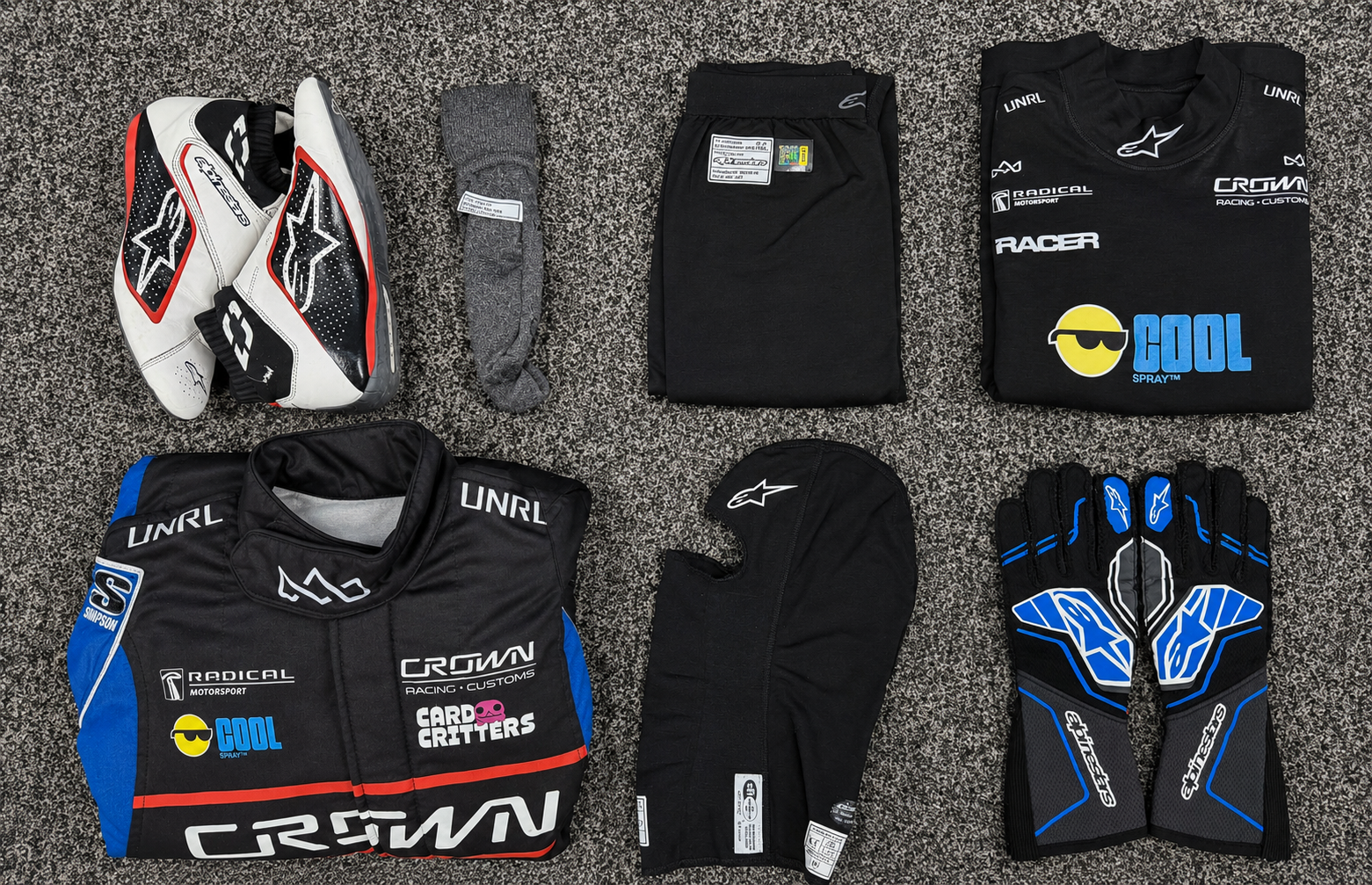
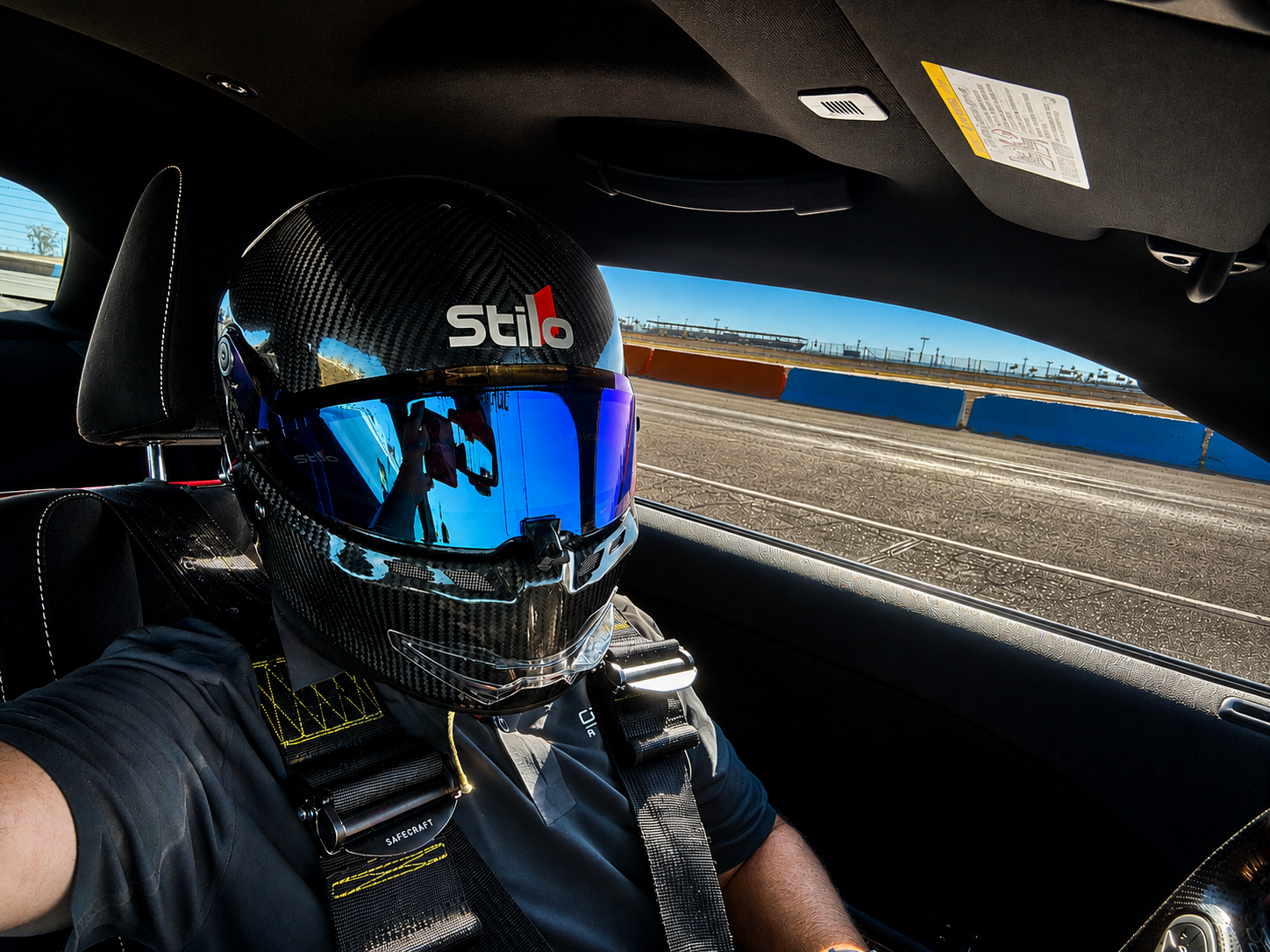
After considerable discussion, I settled on a setup built around a Stilo ST6 carbon helmet, a Stand21 Featherlite HANS device, FIA-rated Nomex underlayers, Alpinestars gloves and shoes, and a custom Simpson race suit.
One of the biggest lessons I learned early was that fit matters more than outright cost. Properly fitted gear disappears around you and lets you focus entirely on driving. Poorly fitted equipment becomes distracting surprisingly quickly.
I also discovered that many experienced racers quietly converge toward the same preferences over time: lighter helmets, simpler suit designs, practical shoes, breathable underlayers, and equipment that works consistently weekend after weekend. The flashy Instagram version of motorsport gives way to practicality once people start spending real time in the seat.
Through consultation with Crown and on their advice, I did deviate upward from their standard recommendations in a few areas, particularly my helmet and HANS device. My reasoning was simple: my brain is my most important professional and personal asset, and helmet weight matters. A lighter helmet reduces neck strain and fatigue over long sessions, especially in higher-G environments. Everyone who picks up the Stilo ST6 carbon helmet has the same reaction: “Whoa, that is light.”
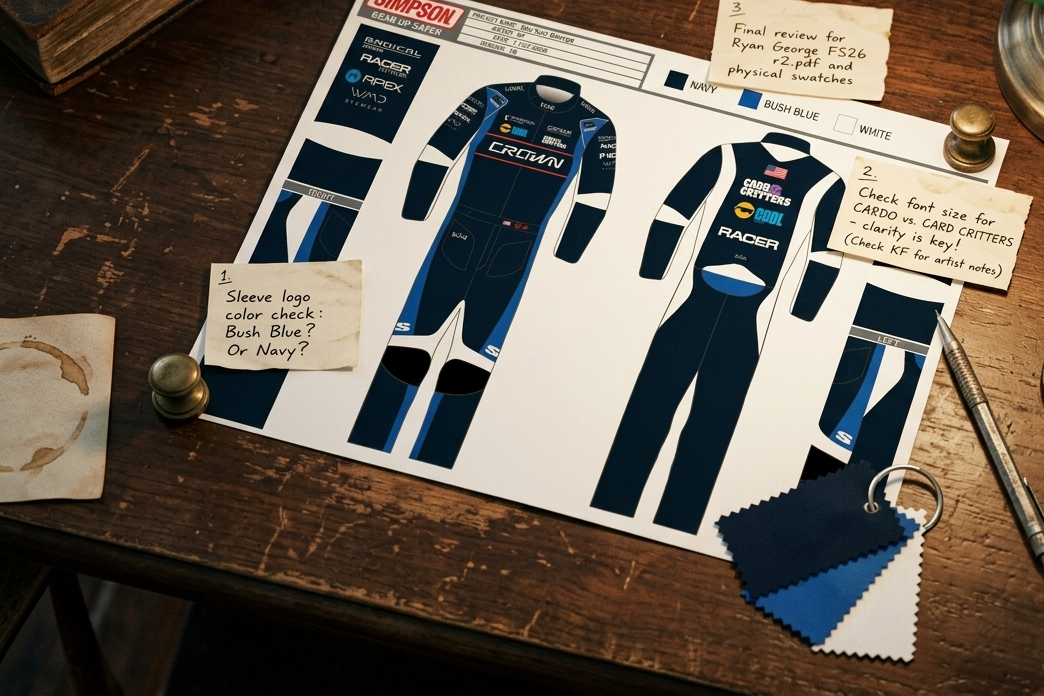
Some of my decisions were emotional rather than purely analytical. I chose a Simpson custom race suit largely out of nostalgia and brand loyalty. Holley now owns Simpson, but for me the name still evokes Sprint Car racing and our team’s roots in that world.
Crown Concepts needed to be prominent, of course, but the rest of the suit became more personal and a Crown designer helped me add CoolSpray.com, a startup a friend was working on; CardCritters.com, a fun project with my 13-year-old son; my initials; race number 2; “HKR” for my kids, Hudson, Kennedy, and Reagan; an American flag; and a few other small details that made the suit look more professional while still making it fun and full of conversation starters.
Another driver might personalize their gear completely differently through colors, favorite brands, sponsor patches, national flags, family references, or a cleaner minimalist aesthetic. That individuality is part of the fun.
Racing school later reinforced an important lesson: not every environment requires the same level of equipment. During GT school, the helmet and HANS device were by far the most important pieces. One kid wore gloves, but anything beyond that would have been overkill. Once I moved into a Formula 4 car, however, having the full system suddenly felt appropriate and necessary. It is also expected in a Radical.
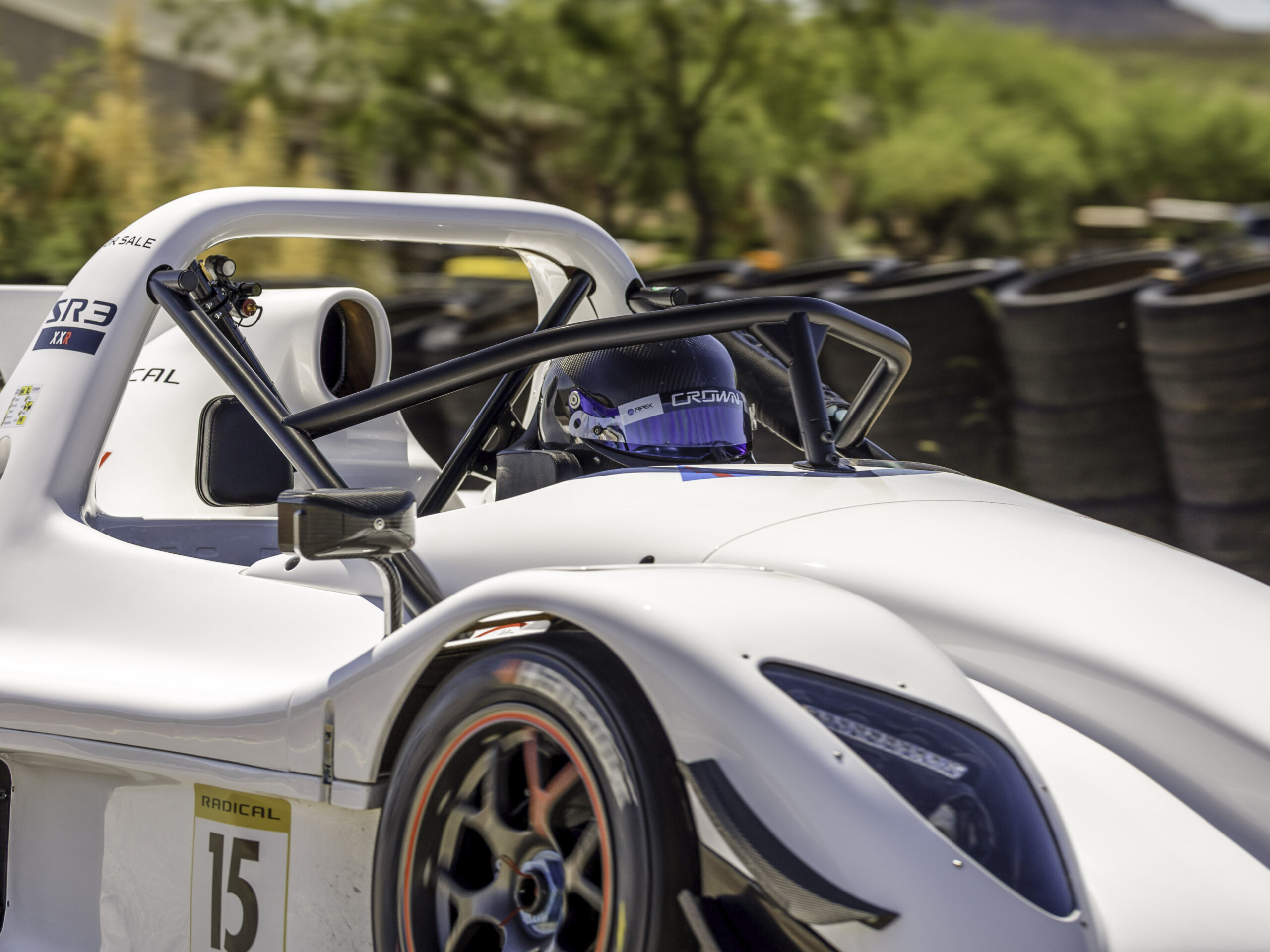
So my advice is simple: work with a professional. Start with a great helmet and HANS device, because those are the pieces you can use almost anywhere, from karting and track days to serious wheel-to-wheel competition. Once you are committed, add the Nomex underwear, professionally fitted and designed suit, gloves, and shoes. Keep it all together in a discreet bag. That way, if a buddy offers you a few laps in his GT3 RS, you can grab your helmet and go. And if you decide to see how far you can take yourself in the sport, you already have what you need to be safe, prepared, and comfortable without feeling self-conscious, leaving one less excuse to stay on the sidelines.
The gear will not make you fast, but confidence, preparation, and comfort free up mental bandwidth for the things that do.
Here is a link to what we recommend but dont hesitate to reach out for any questions.