Motorsports health 2026 is not a simple story of boom or decline. Racing is healthy, but unevenly healthy. Endurance racing is strong. NASCAR remains a major American sports property. IndyCar has a very good product and better visibility. GT and customer racing still have real commercial logic. Dirt racing is energized. Short track racing is visible again. Grassroots racing is not dead. It is changing shape.
The most honest answer is this: motorsports is strong at the top, active at the bottom, and under real pressure in the middle.
That middle is where the hard questions live. Development ladders are expensive. Privateer budgets are strained. Regional teams are fighting tire, travel, labor, and parts costs. Local tracks are trying to survive insurance, weather, staffing, and shrinking margins. The passion is still there. The math is harder.
At Crown, we look at racing from the paddock side, not just the grandstand. Car counts matter. Manufacturer support matters. Customer demand matters. Sponsor value matters. So do the details that rarely make a television graphic: the number of transporters in the paddock, the customers writing checks, the crew members staying late, and the young drivers trying to figure out whether the next step is actually possible.
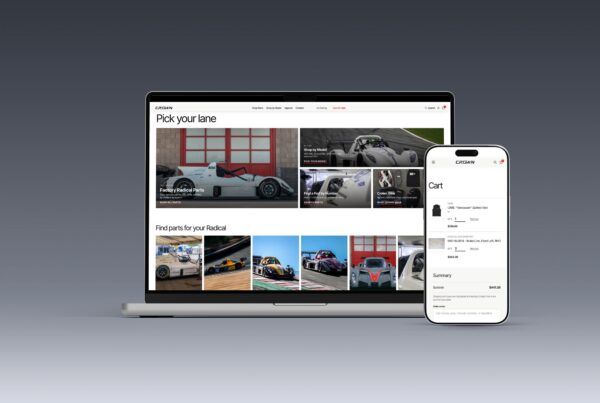
That is why this conversation matters to Crown. We live in the space where pro racing, customer racing, private-club support, Radical Cup, and endurance ambitions all overlap. Through Crown Racing, Radical Arizona, Apex Motor Club support, national Radical Cup weekends, and our early LMP3 work, we see the sport from the shop floor, the trailer, the grid, and the customer side.
What we are seeing is steady. Not effortless. Not automatic. Steady. The customer base is not always the same as it was five or ten years ago. Some drivers want full national competition. Some want private-club support. Some are looking for a smarter path toward prototypes. Some want a Radical because it is still one of the purest ways to learn real race craft without jumping straight into the deep end of GT or prototype budgets.
That is not weakness. That is the modern customer racing market becoming more specific.
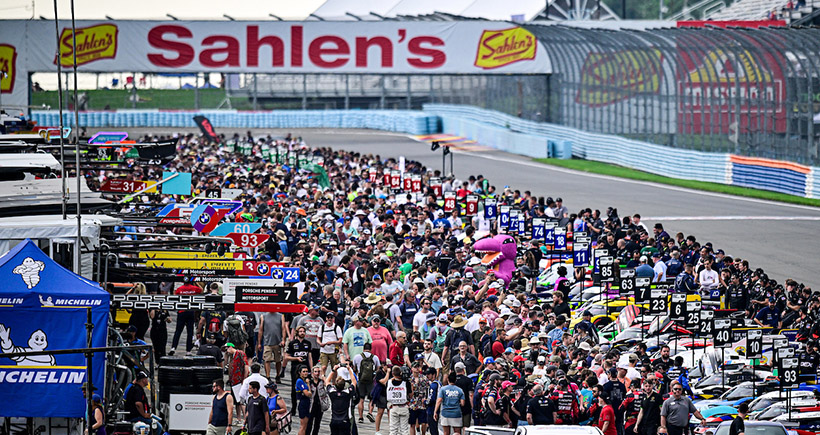
IMSA At The Glen, In Full Color
Motorsports Health 2026: The Big Picture
There is an old habit among racing people, usually practiced while leaning on a pit wall or standing in the back of a trailer with a paper cup of coffee, of declaring that the sport is not what it used to be.
This is usually said with some truth. Racing is almost never what it used to be. The cars change, the money changes, the people change, the tracks change, and the reasons for being there change. Sometimes the change is progress. Sometimes it is just cost wearing a nicer shirt.
If motorsports were one league, like the NFL or NBA, the analysis would be cleaner. We could talk about one media deal, one commissioner, one labor model, one fan base, and one set of teams. But racing is not one league. It is an ecosystem.
Formula 1 and the FIA World Endurance Championship live in one world. NASCAR Cup and IndyCar live in another. IMSA and SRO sit at the intersection of manufacturer money and customer racing. Dirt sprint cars have their own economy. Short track racing lives somewhere between folklore and financial brutality. Club racing is part sport, part hobby, part sickness, and part church picnic with torque wrenches.
So when someone asks, “How healthy is motorsports?” the first honest answer is: which motorsports?
The overall grade is probably a B or B+. That may sound cautious, but in 2026 that is a strong number. A lot of sports would like to have racing’s live-event loyalty, manufacturer involvement, customer spending, technical relevance, grassroots participation, and weekend culture.
The catch is that the money, attention, and growth are not evenly distributed.
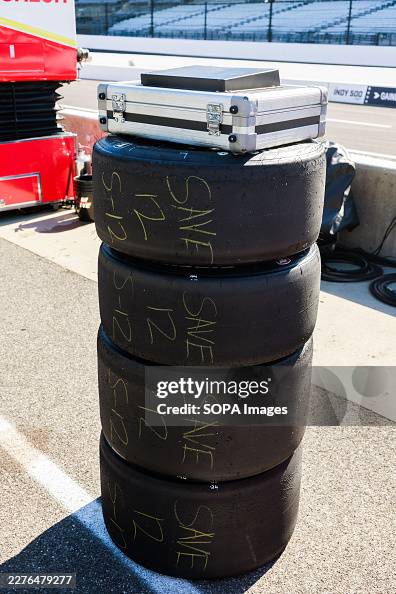
The Cost Of Going Faster
| Segment | 2026 Read | What It Really Means |
|---|---|---|
| IMSA and WEC Endurance Racing | Very Strong | Deep grids, major manufacturers, and technical rules that finally make commercial sense. |
| NASCAR Cup | Healthy, Mature | Still America’s dominant racing property, but no longer living at its early-2000s media peak. |
| IndyCar | Strong Product, Smaller Footprint | The racing is excellent. The challenge is turning that quality into broader national relevance. |
| GT, Radical, and Customer Racing | Strong, Selective | The model works, but customers are more deliberate, cost-aware, and support-driven. |
| Dirt and Short Track Racing | Visible, Pressured | Major events have energy, but weekly racing and independent teams are fighting hard economics. |
| Grassroots and Club Racing | Alive, Changing | Track days, endurance formats, autocross, and shared-cost racing are reshaping participation. |
Endurance Racing Is the Brightest Spot
If there is one part of the sport that can look around the paddock in 2026 and smile without too much qualification, it is endurance racing.
IMSA and the FIA World Endurance Championship are in the middle of what may fairly be called a modern golden age, at least by the hard measures that matter most in sports car racing: manufacturer participation, entry strength, technical relevance, and major-event demand.
The reason is not just that the cars are beautiful, though many of them are. It is not just that GTP and Hypercar have given manufacturers something dramatic to put on posters. It is that the rules finally make business sense.
For years, top-level prototype racing had a bad habit of building magnificent machines and then pricing almost everyone out of the game. The old LMP1 era gave us some spectacular engineering, but also the familiar racing disease of cost escalation followed by withdrawal.
The current IMSA GTP and WEC Hypercar/LMDh environment has done something smarter. It has given manufacturers technical identity, global relevance, hybrid technology, recognizable styling cues, and a controlled enough framework that multiple brands can justify the spend.
IMSA confirmed 45 full-season WeatherTech Championship entries for 2026, growing to 54 cars for Michelin Endurance Cup rounds. The year then opened with a capacity Rolex 24 at Daytona field, with IMSA listing 60 cars and more than 220 drivers for the 2026 Rolex 24.
That matters. The 2026 IMSA season is no longer something expected to be healthy. By late June, we have already seen the first half of the evidence on track.
IMSA’s strength is not limited to GTP. The real foundation is the depth underneath it: LMP2, GTD PRO, GTD, Michelin Pilot Challenge, Porsche Carrera Cup, Lamborghini Super Trofeo, and the broader customer racing universe. The Michelin Pilot Challenge opened 2026 at Daytona with 51 cars, its largest field since 2020.
WEC is experiencing the same kind of revival on a global stage. The championship’s 2026 field includes 35 cars, split between 17 Hypercars and 18 LMGT3 entries. The European Le Mans Series reinforces the same trend, with a record 47-car grid for 2026.
There are risks, of course. Balance of Performance will never make everyone happy. Factory budgets can still overwhelm privateers. Shipping cars around the world is not getting cheaper. But as of mid-2026, endurance racing is the healthiest major discipline in motorsports.
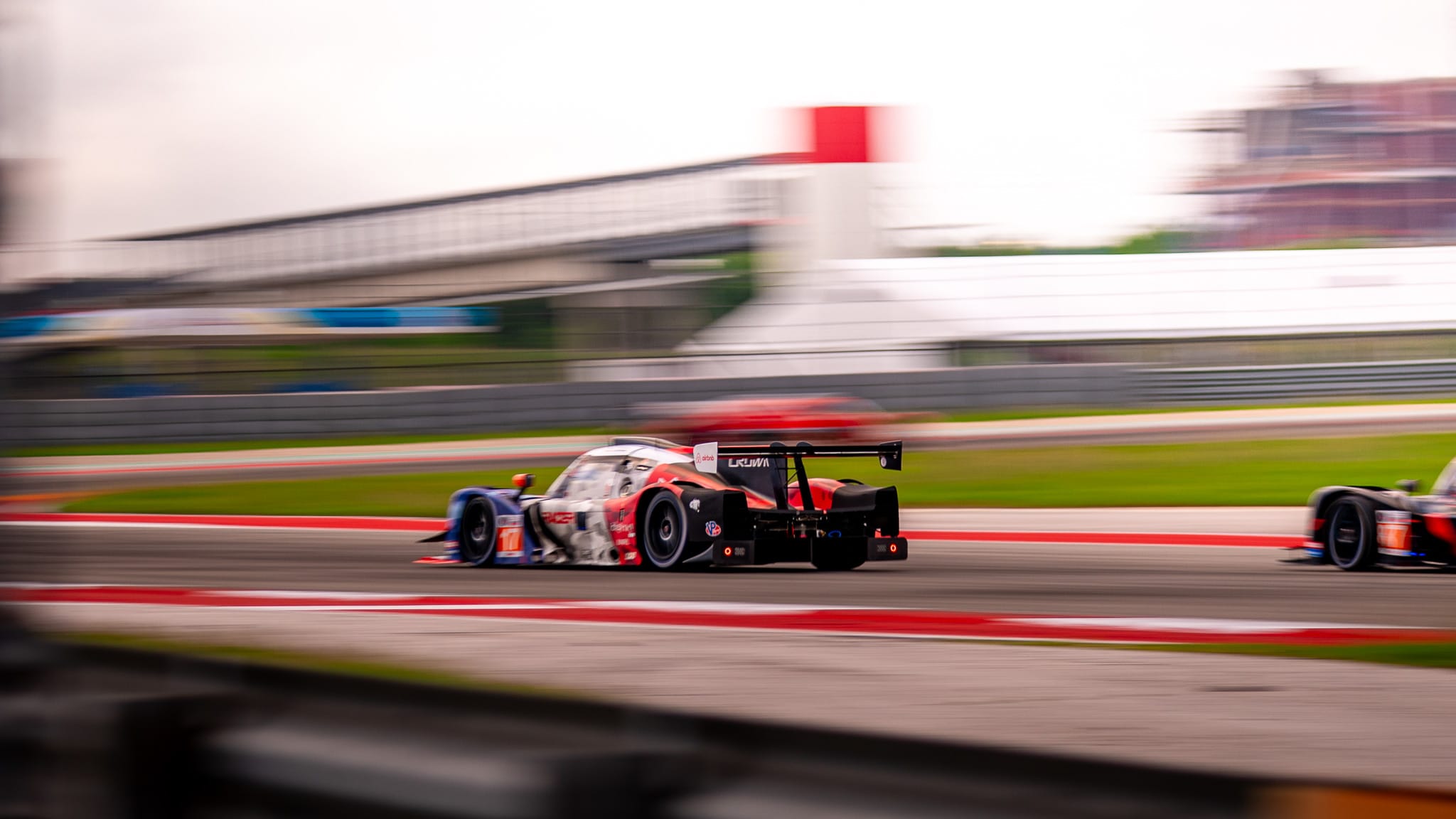
Crown Racing Enters The Prototype Conversation
What Crown Is Seeing From the Customer Racing Side
This is where Crown’s perspective matters.
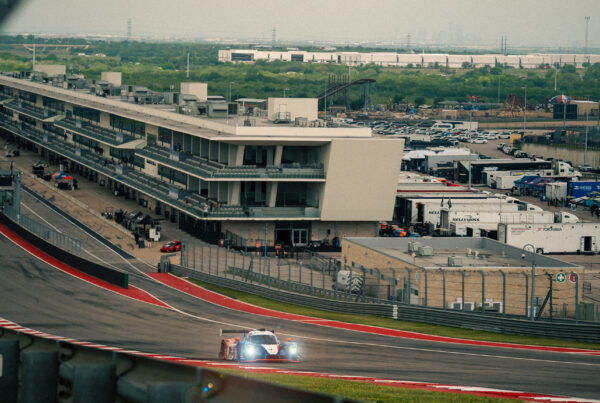
Crown is not watching this from a distance. We operate in the same practical layer of the sport that many people are trying to understand. We support Radical customers. We work at Apex Motor Club. We prepare cars for track days and race weekends. We are building around Radical Cup North America. And in 2026, Crown Racing made its IMSA endurance debut at COTA with a Ligier JS P320.
That does not make Crown a factory prototype empire. It makes us something more relevant to most racers: a team and support business living in the real middle of the pyramid.
From that view, the market feels steady, but more selective. The Radical customer base is not always as broad as it was in certain past cycles. But the customer is also different. More drivers want structure. More want coaching, data, support, hospitality, and a clear reason to go racing. More are asking whether a Radical can be a bridge toward higher-level sports car racing, or whether it can simply be the best way to get serious seat time without the cost and complexity of GT3 or prototypes.
That is why Radical still matters. It sits in a useful place. It is faster and more serious than a casual track car, but more approachable than many professional platforms. It can serve the Apex customer, the Radical Cup racer, the driver development customer, and the owner who wants a real race car without building an entire professional program around it.
The opportunity for Crown is not waiting for the old customer base to magically return. The opportunity is helping the modern customer understand what customer racing can be: properly supported, data-driven, technically serious, and still enjoyable.
That is a healthy market. It is just not a lazy one.
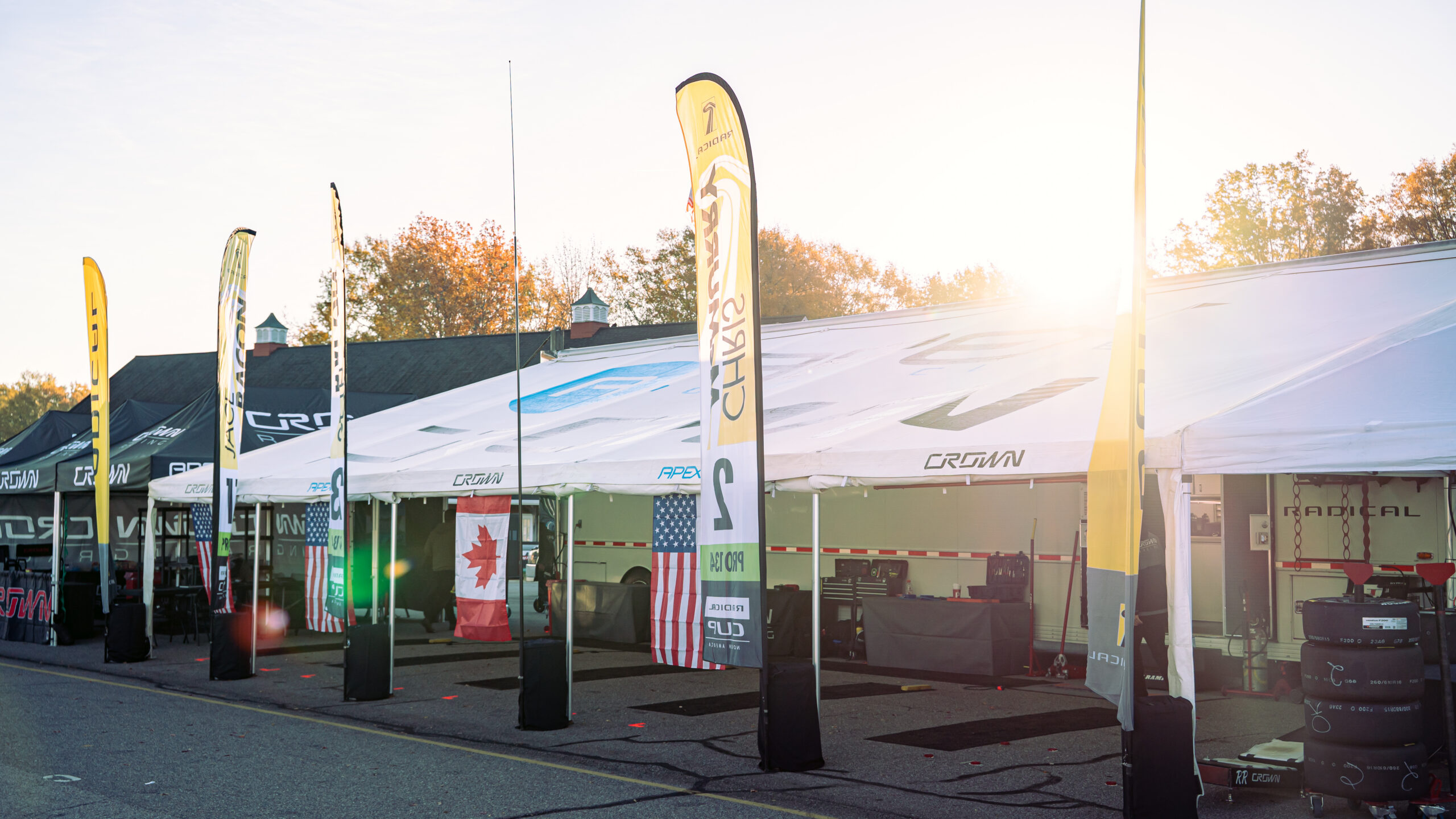
The Customer Racing Layer Crown Knows Best
NASCAR Is Not Back to 2005, But It Is Not Broken
NASCAR is the easiest racing property to misunderstand because everyone compares it to its own impossible peak.
Measured against the early 2000s, NASCAR is smaller. Television audiences are not what they were. The grandstands are not the vast aluminum cities they once were. The old cultural moment, when stock car drivers seemed to be everywhere from cereal boxes to prime-time commercials, is gone.
But that does not mean NASCAR is unhealthy. It means NASCAR is now a mature major sport instead of a runaway cultural phenomenon.
The Cup Series still has the largest domestic racing footprint in America. It still has major media partners, major sponsors, strong OEM involvement from Chevrolet, Ford, and Toyota, valuable teams, recognizable events, and a fanbase that shows up in ways that do not always fit neatly into a Nielsen rating.
The health of NASCAR in 2026 is not best measured by asking, “Is this as big as the Dale Earnhardt Jr. and Jeff Gordon boom?” It is better measured by asking, “Does the property still have enterprise value, live-event demand, commercial relevance, and enough young-fan access to survive the media transition?”
The answer is yes, with qualifications.
The former Xfinity Series became the NASCAR O’Reilly Auto Parts Series in 2026, with O’Reilly replacing Xfinity as title sponsor and The CW serving as the exclusive broadcast home. That second-tier series may be one of NASCAR’s more encouraging pieces. It has identity, strong racing, healthy fields, and the kind of slightly chaotic energy that fans often say they miss.
The NASCAR Craftsman Truck Series is still valuable, still entertaining, and still important as a development platform. But it carries more identity risk. The Truck Series has always worked because it felt rougher, shorter, more blue-collar, and more willing to get into trouble. If NASCAR or the manufacturers push it too far away from that identity, the fans will notice.
ARCA, meanwhile, is more fragile. It remains important, especially for young drivers needing approval and experience, but the economics are difficult. Large fields at Daytona do not necessarily mean full-season health. A development series can be essential and still be structurally vulnerable.
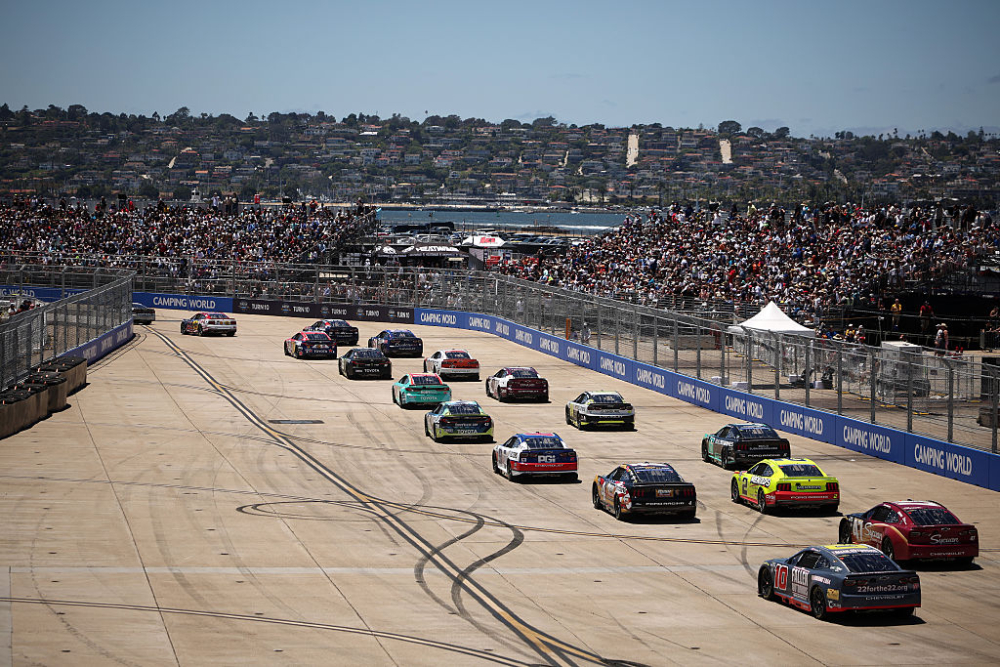
NASCAR Keeps Experimenting With The Big Stage
IndyCar Has a Great Product and a Familiar Problem
IndyCar may have the best racing product in America that too many casual sports fans still do not watch often enough.
The series has rebuilt itself into a stable, high-quality championship with strong teams, excellent drivers, close racing, a diverse schedule, and the Indianapolis 500 as one of the great sporting events in the world. The cars are fast, physical, and visibly difficult to drive.
The lingering issue is not product quality. It is scale.
IndyCar still lives with the long shadow of the CART/IRL split. The damage from that era was not merely political. It trained a generation of casual American sports fans to stop knowing who the drivers were. Recovering from that kind of cultural fracture takes a long time.
In 2026, the signs are generally positive. IndyCar reported 1.803 million viewers for Road America on FOX, a major year-over-year jump for that event. Stronger network television presence helps. Good scheduling helps. The Indy 500 still gives the series a national stage that almost no other race can match.
The 2026 Indianapolis 500 gave IndyCar the kind of finish most series would spend years trying to manufacture. Felix Rosenqvist beat David Malukas by 0.0233 seconds, the closest finish in Indianapolis 500 history, after a final-lap fight to the Yard of Bricks. That kind of moment should create momentum. It showed the best version of IndyCar: elite drivers, multiple teams in the fight, real speed, real risk, and a finish that needed no explanation. The frustration is that IndyCar can produce a race like that and still feel smaller in the broader sports conversation than the product deserves.
That is the tension around IndyCar. The driver pool is deep. More teams are credible. More cars can realistically matter on the right weekend. The future is not bleak. In a lot of ways, IndyCar’s future is good. The question is whether the series can turn good racing into broader relevance, clearer storytelling, stronger promotion, and a bigger commercial footprint.
The biggest structural concern is manufacturer depth. Chevrolet and Honda have carried IndyCar for a long time, and both have committed to continue as official OEMs into the next era. That is important stability. But the lack of a third engine manufacturer remains a serious issue. Two manufacturers can support a championship. Three manufacturers can grow one. One manufacturer leaving would create a crisis.
IndyCar’s grade is probably a B or B+. The racing is better than the business footprint. That is both compliment and warning.
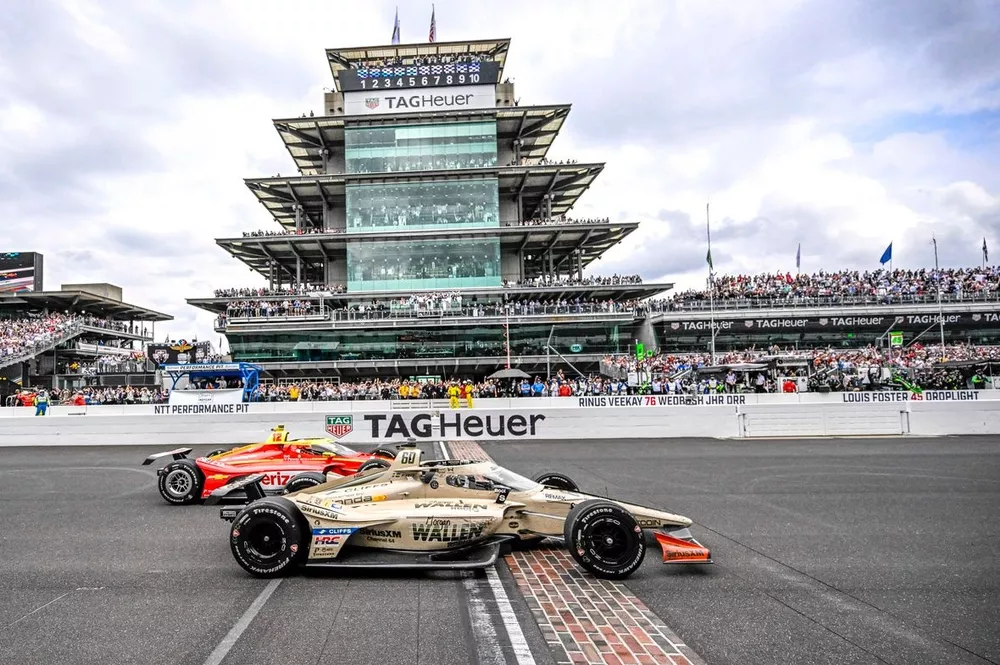
IndyCar Has The Product. Now It Needs The Moment.
GT and Radical-Style Customer Racing Still Make Sense
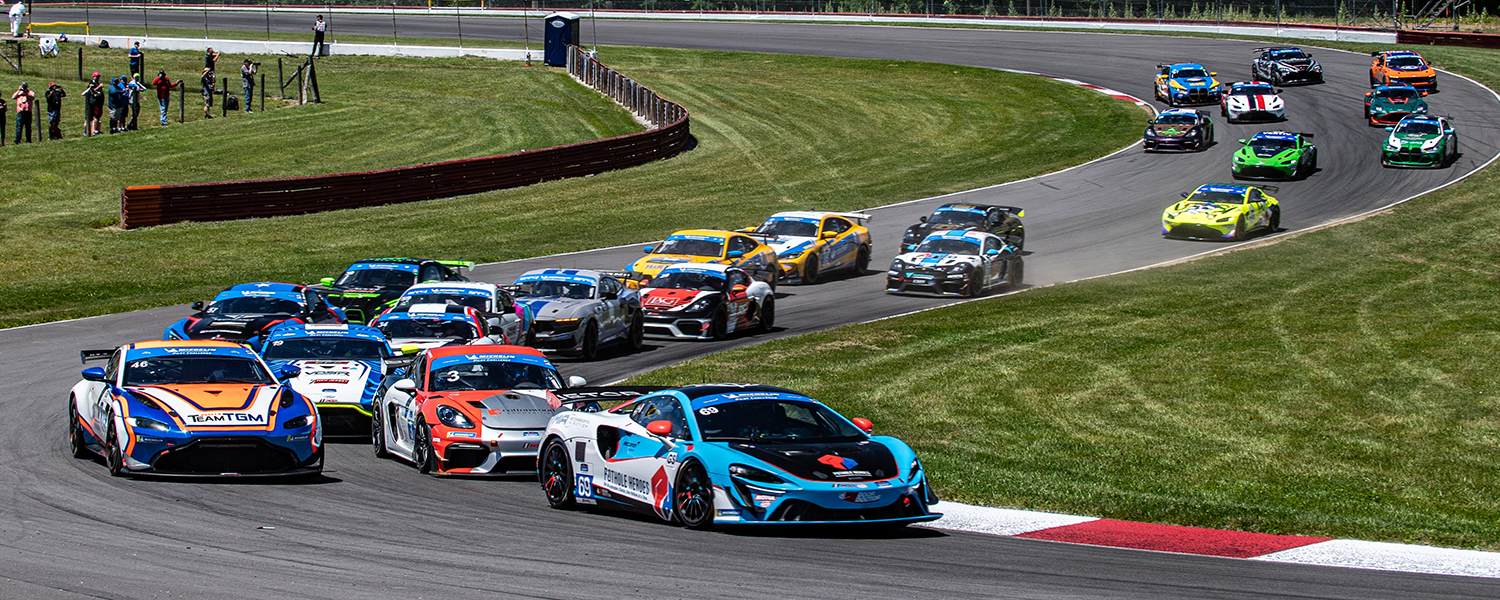
The GT3 and GT4 world may be the best example of modern racing economics working the way they are supposed to work.
Manufacturers build cars that look enough like the road-going product to make sense to customers and fans. Wealthy amateurs can participate in serious racing without needing to become factory drivers. Professional drivers have seats. Teams can build businesses around preparation, coaching, logistics, data, engineering, and arrive-and-drive programs. Sponsors get hospitality and business-to-business activation. Series get grids.
This is why SRO America, GT World Challenge America, GT4 America, IMSA GTD, Michelin Pilot Challenge, Radical Cup, and similar categories matter so much. They are not just support acts. They are the business engine of professional and semi-professional sports car racing, even if that business still requires a serious checkbook.
The health of GT racing in 2026 is strong. GT World Challenge America announced nine manufacturers represented for 2026, a useful snapshot of the broader GT3 market’s strength.
Trans Am also deserves mention here. It remains a different animal, with a more traditional American road racing personality, but it opened its 60th anniversary season with more than 60 cars set for Sebring across TA/GT, TA2, and TA Sprint.
The risk is cost creep. GT3 has become highly professionalized, and GT4 remains more accessible than GT3 but is also more serious at the sharp end than many people realize. Once engineers, tire budgets, testing, data, coaching, and transport expectations rise, the phrase “customer racing” can become less welcoming than it sounds.
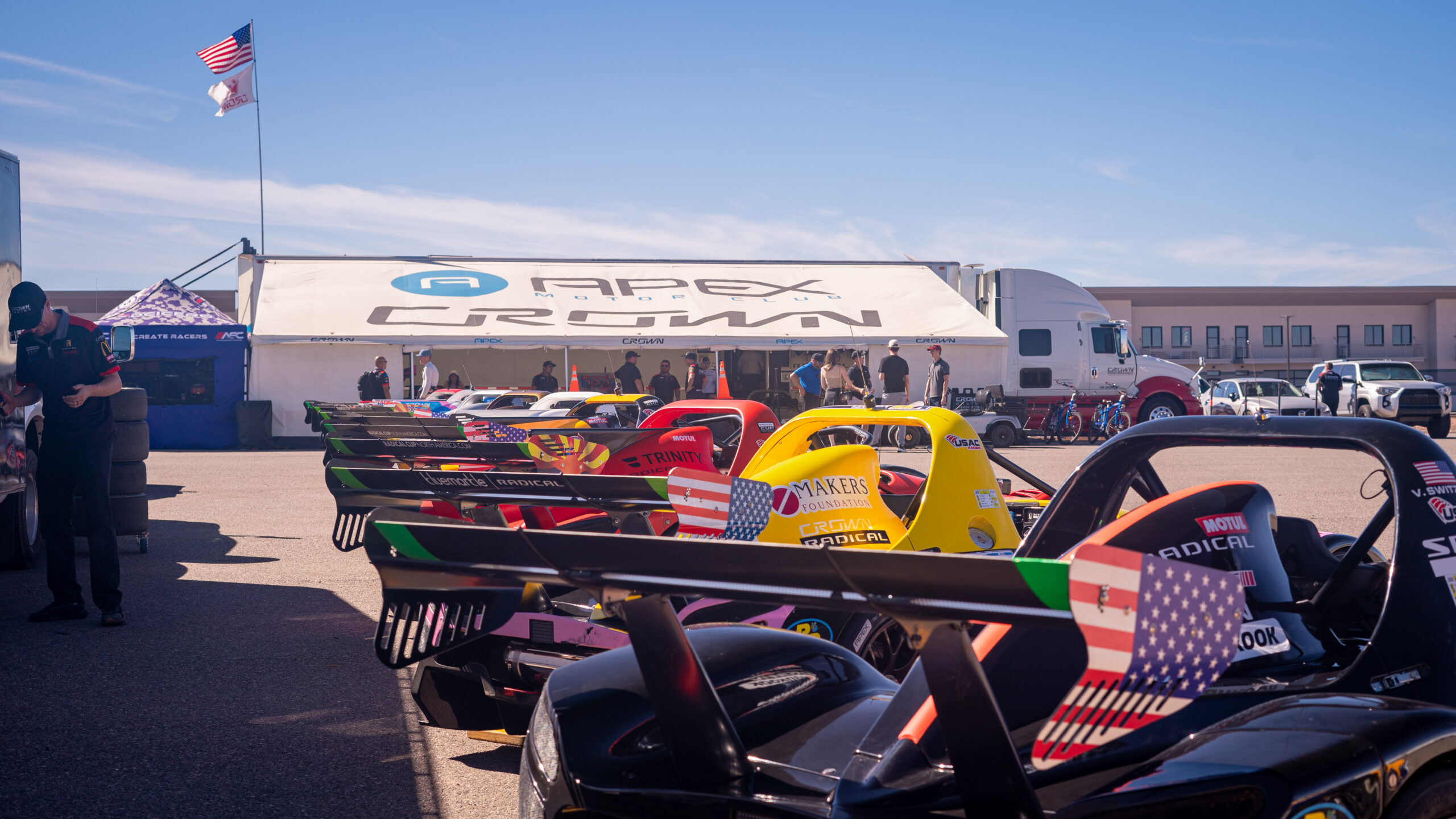
Radical sits in a slightly different but very important lane. It is not GT3. It is not a club Miata. It is not a prototype in the IMSA sense. But it gives drivers a real aero car, real race craft, real data, real setup sensitivity, and a very direct connection between the driver and the lap time.
For Crown, that is the lane worth defending. The customer racing market is healthy when it gives drivers a place to grow, not just a place to spend.
Customer Racing Still Has A Business Case
Dirt and Short Track Racing Are Alive, But Cost Is Real
If you want to see racing that still feels like it is plugged directly into the wall, go to a good dirt sprint car show.
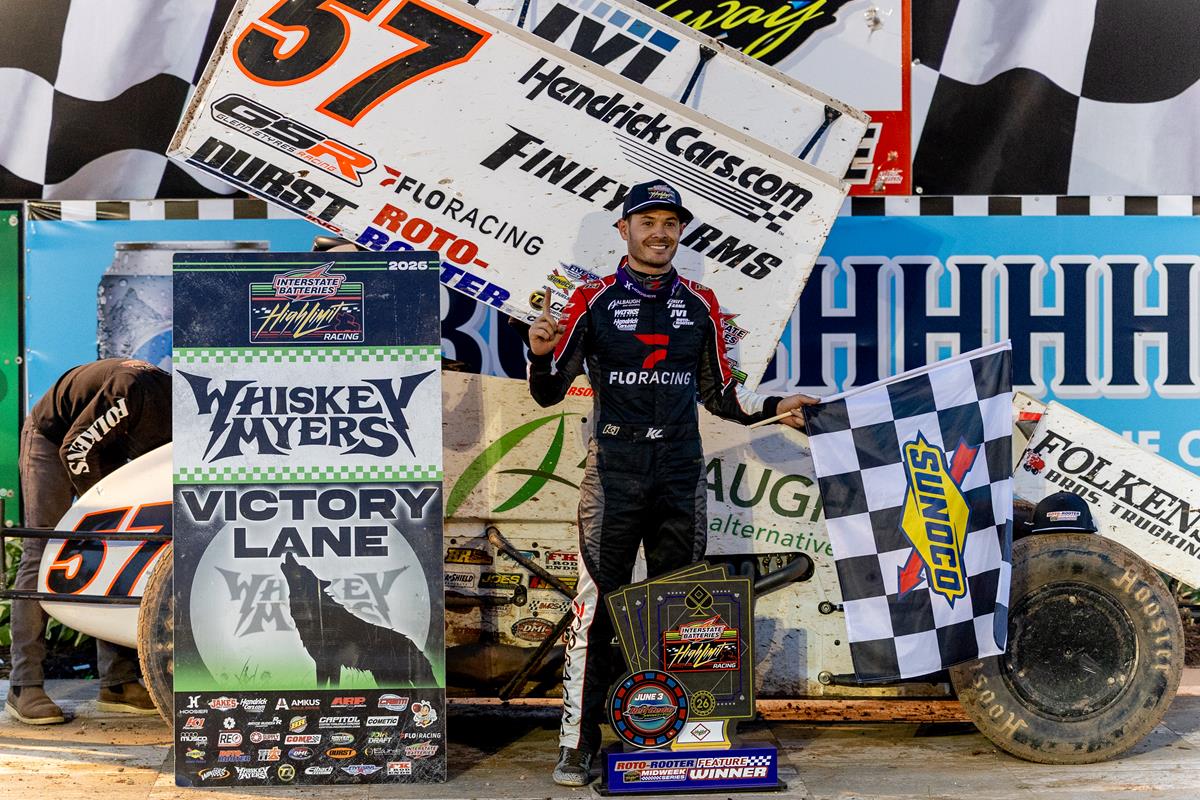
The dirt ecosystem in 2026 is healthy, but not peaceful. World of Outlaws remains the old standard, the touring institution, the name with history. Its 2026 Sprint Car schedule includes 86 nights, which shows both the strength and the grind of the national tour.
High Limit Racing has arrived as the disruptor, bringing money, star power, a different schedule philosophy, and a challenge to the way things have always been done. High Limit announced that its 2026 midweek series includes select live events on FS1 and the NASCAR Channel, a meaningful sign of dirt racing’s growing media ambition.
That has created better opportunities for some drivers and teams. It has raised purses, increased visibility, and forced modernization. It has also created stress.
Dirt racing does not have an unlimited fanbase, unlimited sponsor pool, or unlimited number of premier dates. When two major tours fight for attention, tracks, teams, and streaming subscribers, some of that is healthy competition and some of it is cannibalization.
Pavement short track racing is in a similar place. Culturally, it may be more visible than it has been in years. The CARS Tour has benefited from serious ownership, recognizable names, streaming, social media, and a renewed appreciation for late model stock racing. Major late model events still matter.
But the economics are rough.
The phrase “grassroots racing” can be misleading when a competitive late model program requires major tire spending, testing, crew, travel, engineering knowledge, and constant repair. At the sharp end, this is no longer a Saturday hobby. It is a professional or semi-professional racing operation wearing grassroots clothing.
That does not make it bad. It just makes it expensive.
The danger is that short track racing can look extremely healthy from the outside because the marquee events are strong. Big fields at major races are real. Streaming attention is real. Star involvement is real. But weekly racing and independent teams live closer to the financial edge.
Local Racing Still Carries The Sport’s Soul
Grassroots Racing Is Getting More Practical
At the club and amateur level, the health of motorsports is better than many people assume.
SCCA, NASA, WRL, ChampCar, Gridlife, HPDE events, time trials, autocross, karting, and track-day organizations all serve different parts of the participation ladder. They may not look like the old model of amateur racing, but that is partly the point.
The racer who once might have built one car, run short sprint races, and absorbed the entire weekend cost alone now has other options. Endurance racing allows three or four drivers to split costs. HPDE and time trials allow people to participate without immediately committing to wheel-to-wheel racing. Gridlife blends car culture, music, drifting, time attack, and road racing in a way that feels more natural to younger enthusiasts than a traditional club weekend.
SCCA reported that its annual membership surpassed 50,000 in 2023, which is a useful reminder that amateur motorsports is not simply fading away. It is adapting.
This is one of the most important shifts in the entire sport. Grassroots racing appears to be surviving inflation by becoming more flexible.
That same logic shows up in Crown’s world. Apex support, test days, Radical track support, and arrive-and-drive style services exist because modern customers often want the driving experience without trying to build an entire race team from scratch. Crown’s track-side service model fits that market directly.
The passion is still there. The question is whether the structure is welcoming enough. A young person may love cars, racing, sim racing, YouTube builds, drifting, time attack, and endurance racing, but that does not mean he or she will join the same club, buy the same car, or consume the sport the way previous generations did.
That is not a crisis. It is a handoff.
The base of the pyramid is not dead. It is broader, messier, and less centralized than it used to be.
The New Grassroots Racer Wants Support, Not Guesswork
More Racing Than Ever, Less Shared Attention
Motorsports has never had more content.
That sentence is both good news and bad news.
A fan can now watch NASCAR, IndyCar, IMSA, WEC, SRO, USAC, High Limit, World of Outlaws, CARS Tour, late models, grassroots endurance racing, karting, drifting, time attack, and sim racing without leaving the couch. Some of it is on network television. Some is on cable. Some is on streaming services. Some is free on YouTube. Some is behind subscriptions. Some is scattered so widely that even serious fans need a spreadsheet.
This abundance has helped smaller series tremendously. Streaming has given regional heroes national visibility. It has made short track racing and dirt racing easier to follow. It has given sponsors more than a decal and a prayer. It has allowed niche racing to find niche audiences directly.
But it has also fragmented attention.
Formula 1 Changed The Doorway Into Racing
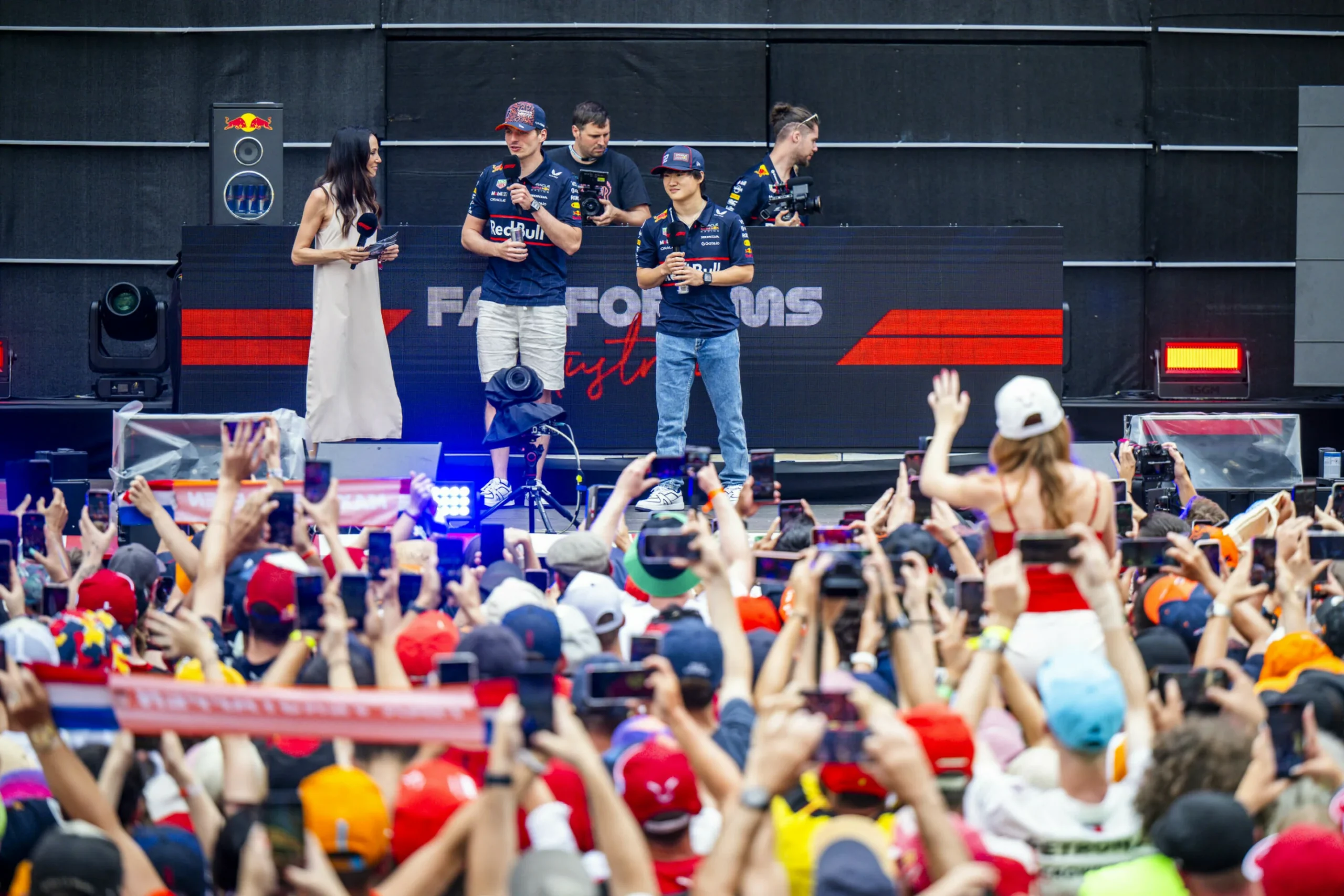
Formula 1 is the clearest example of both opportunity and risk. Apple announced a five-year U.S. broadcast partnership with Formula 1 beginning in 2026, making Apple TV the exclusive home for F1 races in the United States. Financially, it is a major signal of value. Strategically, it is a test of whether a global racing property can trade casual reach for platform money, premium presentation, and a younger digital ecosystem.
That could work brilliantly. It could also reduce accidental discovery.
For the rest of motorsports, F1’s rise is both helpful and limited. It increases the cultural relevance of racing, but it does not automatically sell tickets to a local short track, fill an Indy NXT grid, or add five cars to a Radical Cup paddock. The task for American motorsports is to catch the F1-curious fan and show them that racing is not one thing. It is a world.
That world includes stock cars, prototypes, GT cars, sprint cars, midgets, late models, dragsters, karts, Miatas, Radicals, Trans Am cars, and club racers towing through the night.
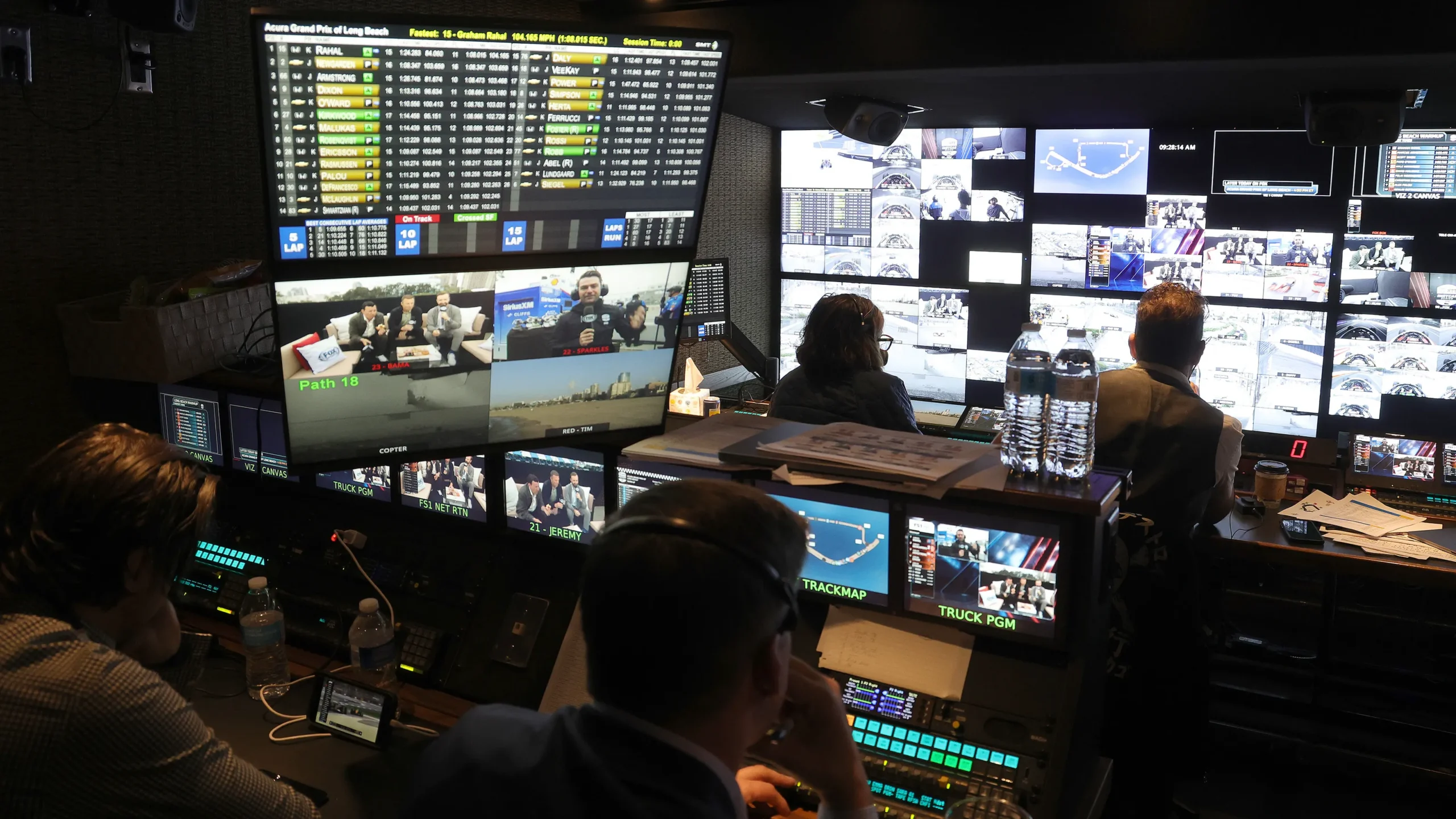
The Sport Is Healthier Than The Headlines Suggest
Motorsports Health 2026: Final Verdict
Motorsports health 2026 is best described in one sentence: the sport is healthy, but uneven.
The strongest parts are clear.
Endurance racing is thriving because the rules make sense to manufacturers and the grids make sense to fans. IMSA and WEC are the brightest examples of the sport aligning technical relevance with commercial reality.
GT3, GT4, Radical Cup, and other customer racing platforms are healthy because they give drivers somewhere to go. People can buy cars, teams can run them, manufacturers can support them, and series can build paddocks around them.
NASCAR is healthier than its harshest critics admit. It is no longer the cultural monster of the 2000s, but it remains the dominant American racing property, with strong live events, valuable teams, and a fanbase that still cares deeply.
IndyCar has a strong product and stable grid, but needs broader reach and more manufacturer depth.
Dirt racing is energized, better paid, and more visible than before, though the split between major sprint car tours could test the limits of the market.
Short track racing is culturally alive and financially stressed.
Grassroots racing is not dying. It is reinventing itself around endurance formats, track days, time trials, festivals, and shared costs.
The weakest areas are also clear.
Development ladders are expensive. Privateer budgets are strained. Streaming data is opaque. Traditional TV is aging. Local tracks face hard economics. The working-class racer is under pressure. And the sport’s middle class, the people and teams between pure hobby and factory-backed professionalism, may be carrying the heaviest load.
But racing people have always carried heavy loads.
They tow farther than they should. They fix things that should be replaced. They spend money they had planned to save. They stand in the rain waiting for a second practice session. They argue about rules, tires, engines, Balance of Performance, tech inspectors, cautions, race control, entry fees, and whether the coffee in the media center has gotten worse.
Then they come back.
That, finally, is why motorsports remains healthy. Not because every chart points upward. Not because every series is flourishing. Not because the business is easy. It is not.
Motorsports is healthy because the desire is still there.
Manufacturers still want to prove something. Sponsors still want the paddock. Fans still want the sound and speed. Drivers still want the risk. Mechanics still want the satisfaction of making a car better at midnight than it was at noon. Families still gather at short tracks. Club racers still split fuel bills. Kids still press against fences. And somewhere, right now, someone is looking at a used race car online and making a terrible financial decision with a hopeful heart.
That may not show up in a quarterly report.
But in racing, it has always been one of the more reliable indicators.
Source Notes
This article uses public information from official series and industry sources, including IMSA, FIA WEC, ELMS, NASCAR, IndyCar, SRO America, Trans Am, High Limit Racing, World of Outlaws, Apple, SCCA, and Crown. Where exact financial or streaming data is not publicly available, the analysis is intentionally framed as industry interpretation rather than hard accounting.
- IMSA 2026 WeatherTech Championship field confirmation
- IMSA 2026 Rolex 24 at Daytona field
- IMSA Michelin Pilot Challenge 2026 Daytona field
- FIA WEC 2026 field reference
- European Le Mans Series 2026 grid
- NASCAR O’Reilly Auto Parts Series announcement
- NASCAR Craftsman Truck Series 2026 schedule
- IndyCar Road America 2026 FOX viewership
- Felix Rosenqvist 2026 Indianapolis 500 result
- GT World Challenge America 2026 entry list
- Trans Am 2026 Sebring preview
- High Limit Racing 2026 media schedule note
- World of Outlaws 2026 Sprint Car schedule
- Apple and Formula 1 U.S. broadcast announcement
- SCCA membership milestone
- Crown Racing
- Crown Racing track-side services
- Crown and Radical Arizona
- Crown Racing IMSA endurance debut at COTA